Diaper Subscriptions for Twins: Per-Diaper Cost Comparison at Twin Volume
At 350 to 420 diapers per month, the per-diaper price matters more than the brand. Here is the real math on subscriptions, warehouse clubs, and store brands for twin volume.
Two newborn twins go through 10 to 14 diapers per day combined. That is 300 to 420 diapers per month. Over the first year, you will use roughly 4,000 to 5,000 diapers. At this volume, even a $0.05 difference in per-diaper cost adds up to $200 to $250 over the year. The brand matters less than the price, and the price depends on how you buy.
Per-diaper cost by channel (2026 US prices)#
We compared the major channels at twin volume. All prices are for size 1 to 2 (the size you use most of in the first 6 months):
- Warehouse clubs (Costco Kirkland, Sam's Club Members Mark): $0.14 to $0.18 per diaper. The cheapest reliable option at twin volume. You need a membership ($60/year) and storage space for bulk boxes.
- Store-brand subscription (Target Up and Up via same-day delivery, Amazon Mama Bear): $0.16 to $0.22 per diaper. Competitive pricing, auto-delivery convenience, no warehouse trip.
- Amazon Subscribe and Save (name brand): $0.22 to $0.30 per diaper for Pampers or Huggies. The 5 to 15% Subscribe and Save discount helps but does not close the gap with store brands.
- Premium brands at retail (Pampers Pure, Honest Company, Coterie): $0.30 to $0.55 per diaper. Premium pricing at twin volume means $100 to $200+ per month.
- Diaper subscription boxes (Hello Bello, DYPER, Parasol): $0.25 to $0.45 per diaper. Convenient, but the per-unit cost is higher than warehouse or store brand.
Annual cost at twin volume#
Assuming 4,500 diapers in year one (conservative estimate, twins in diapers the full year):
- Warehouse store brand: $630 to $810 per year.
- Online store brand subscription: $720 to $990 per year.
- Name brand subscription (Pampers/Huggies via Amazon): $990 to $1,350 per year.
- Premium brands: $1,350 to $2,475 per year.
The difference between the cheapest and most expensive option is roughly $600 to $1,600 per year. For twin families on a budget, this is meaningful.
What actually matters at twin volume#
Leak performance, not brand name
At 3 AM with two babies, you care about one thing: does the diaper hold? Most store brands (Kirkland, Up and Up, Mama Bear) perform within 5 to 10% of name brands in independent absorption tests. The premium you pay for Pampers or Huggies is largely marketing, not engineering.
Sizing consistency
Twin parents change sizes frequently (newborns blow through sizes fast). Subscriptions can lag behind size changes. Use a subscription for your steady-state size and buy transitional sizes in smaller packs from the store.
Delivery cadence
At twin volume, you go through a standard diaper box in about 10 to 14 days. Set subscriptions accordingly. Running out of diapers with twins is a genuine emergency. Build a one-week buffer at all times.
Our recommendation by situation#
Best value: warehouse club
Costco Kirkland diapers are the per-unit winner and perform well in testing. If you have a membership and storage space, this is the default recommendation for twin families.
Best convenience: store-brand auto-delivery
Amazon Mama Bear or Target Up and Up on subscription. Slightly more expensive than warehouse clubs, but delivered to your door on a schedule. For twin parents who cannot make regular warehouse runs, the convenience premium is small.
Best for sensitive skin
If one or both twins have persistent diaper rash, try fragrance-free options (Pampers Pure, Hello Bello, or Kirkland Supreme) before assuming you need the most expensive brand. Rash is more often about change frequency and barrier cream than diaper brand.
A note on cloth diapers for twins#
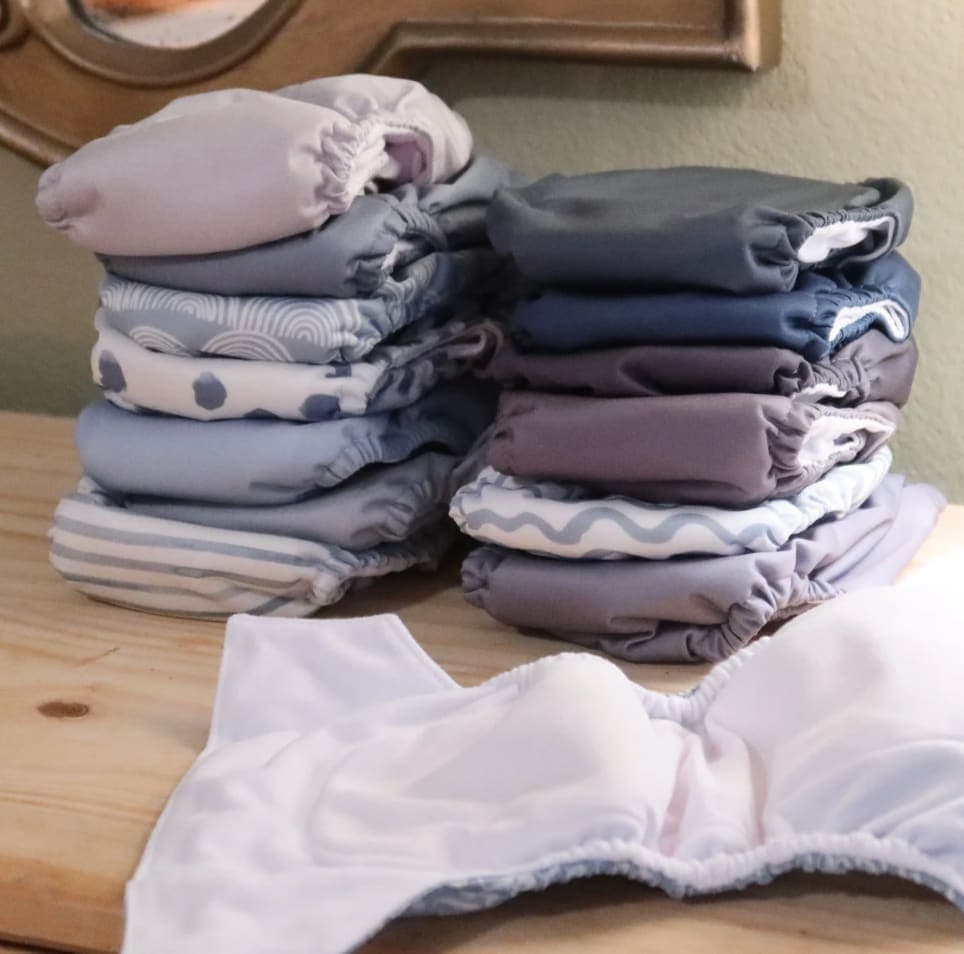
Cloth diapering twins is possible and can save money long-term ($500 to $1,000 over two years after startup costs). It requires 36 to 48 cloth diapers in rotation, a dedicated wash routine, and a tolerance for laundry that most twin parents, already drowning in laundry, do not have in the first 6 months. If you want to try cloth, consider starting after month 3 when the volume per baby decreases slightly.
Related reading#
FAQ
- What is the cheapest way to buy diapers for twins?
- Warehouse club store brands: Costco Kirkland or Sam's Club at 0.14 to 0.18 dollars per diaper, roughly 630 to 810 dollars for year one versus 1,350 to 2,475 for premium brands. At 4,500 diapers in year one, even a nickel per diaper is 200-plus dollars, and the 60-dollar membership pays for itself.
- Are store-brand diapers as good as Pampers for twins?
- Within 5 to 10 percent in independent absorption tests. Kirkland, Up and Up, and Mama Bear hold up at 3am; the name-brand premium is mostly marketing. If a twin has persistent rash, try fragrance-free options first. Rash usually traces to change frequency and barrier cream, not brand.
- How do you set up a diaper subscription for twins?
- Set delivery to twin reality: a standard box lasts 10 to 14 days at twin volume, so schedule accordingly and keep a one-week buffer at all times, because running out with twins is an emergency. Subscribe for your steady-state size and buy transitional sizes in small store packs, since subscriptions lag growth spurts.
- Is cloth diapering realistic for twins?
- Possible, and it can save 500 to 1,000 dollars over two years after startup, but it needs 36 to 48 diapers in rotation and a wash routine on top of already-crushing twin laundry. If you want to try it, start after month 3 when per-baby volume eases, not in the newborn blur.
Keep reading
Related guides
Gear Guides
UPPAbaby Vista V2 vs Baby Jogger City Select 2 for Twins
Both are inline twin strollers that clear an apartment door. The Vista is nicer to push, fold, and resell. The City Select 2 gives twins two equal seats for less money.
Sep 12, 2026
Gear Guides
Best Twin Bassinets for a Shared Bedroom
Bedside bassinets, dual bassinets, and what fits when you and the babies share a room for the first six months.
Sep 12, 2026
Gear Guides
Bugaboo Donkey 5 Twin vs UPPAbaby Vista V2: Side-by-Side or Inline
The Donkey puts twins next to each other in equal seats at about 28 inches wide. The Vista stacks them at about 26 inches for far less money. Doorways and budget decide it.
Sep 11, 2026