Baby Brezza vs the Formula Pitcher Method at Twin Volume
A $200 machine or a $15 pitcher for two formula-fed babies. At twin volume both have a weak spot, and the answer depends on who is doing the 3am feed.
Verdict: the pitcher for most twin households, the Baby Brezza Formula Pro Advanced if night feeds are the thing breaking you and you have the counter space to give it. At twin volume, each method's weakness gets louder. The pitcher runs out twice a day. The Brezza makes one bottle at a time while two babies scream in stereo.
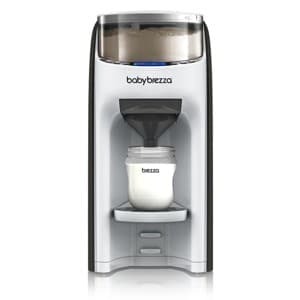
For anyone new here: the pitcher method means mixing a full day's formula in a lidded pitcher with a mixing blade, refrigerating it, and pouring bottles as needed. The Brezza is a countertop machine that dispenses mixed, warmed formula in a few seconds when you press a button. Both make correctly mixed formula if used properly. The question is which one survives two babies on a synced schedule.
Where they differ for twins#
- Volume: by three or four months, two babies drink somewhere around fifty to sixty ounces a day between them. A standard pitcher holds about thirty-two. The math is two batches a day, every day, on top of everything else. The Brezza never needs a batch, but the powder hopper gets refilled most days.
- Speed at 3am: the Brezza wins this and it is not close. Two bottles in under a minute, warm, with one hand. The pitcher gives you cold formula that needs warming, or babies who have been trained from week one to take it cold, which is a legitimate twin strategy.
- Tandem feeds: the pitcher pours two bottles in one motion. The Brezza dispenses one, then the other. Twenty seconds of difference does not sound like much until a baby is on the hungry-cry escalator.
- Cleaning: the pitcher is one item, dishwasher-safe, washed once a day. The Brezza needs its funnel and mixing parts cleaned on a schedule the manual is very firm about, and at twin throughput that schedule arrives faster than the box suggests.
- Cost: around $15 to $20 versus around $200. At twin formula spend, the machine is roughly two to three weeks of formula. Not nothing, not decisive.
- Accuracy: the pitcher is exactly as accurate as your scoop counting. The Brezza is accurate when the powder setting matches your formula and the funnel is clean. Verify it with a kitchen scale in the first week and re-check after every deep clean.
The pitcher method#
Here is the twin rhythm that works. Mix a full pitcher after the morning feed, refrigerate, pour into a rack of clean bottles as you go. Mix the second pitcher after the late-afternoon feed so it covers the evening cluster and the night. Formula tins say prepared formula keeps refrigerated for 24 hours, so the two-batch day sits comfortably inside that window.
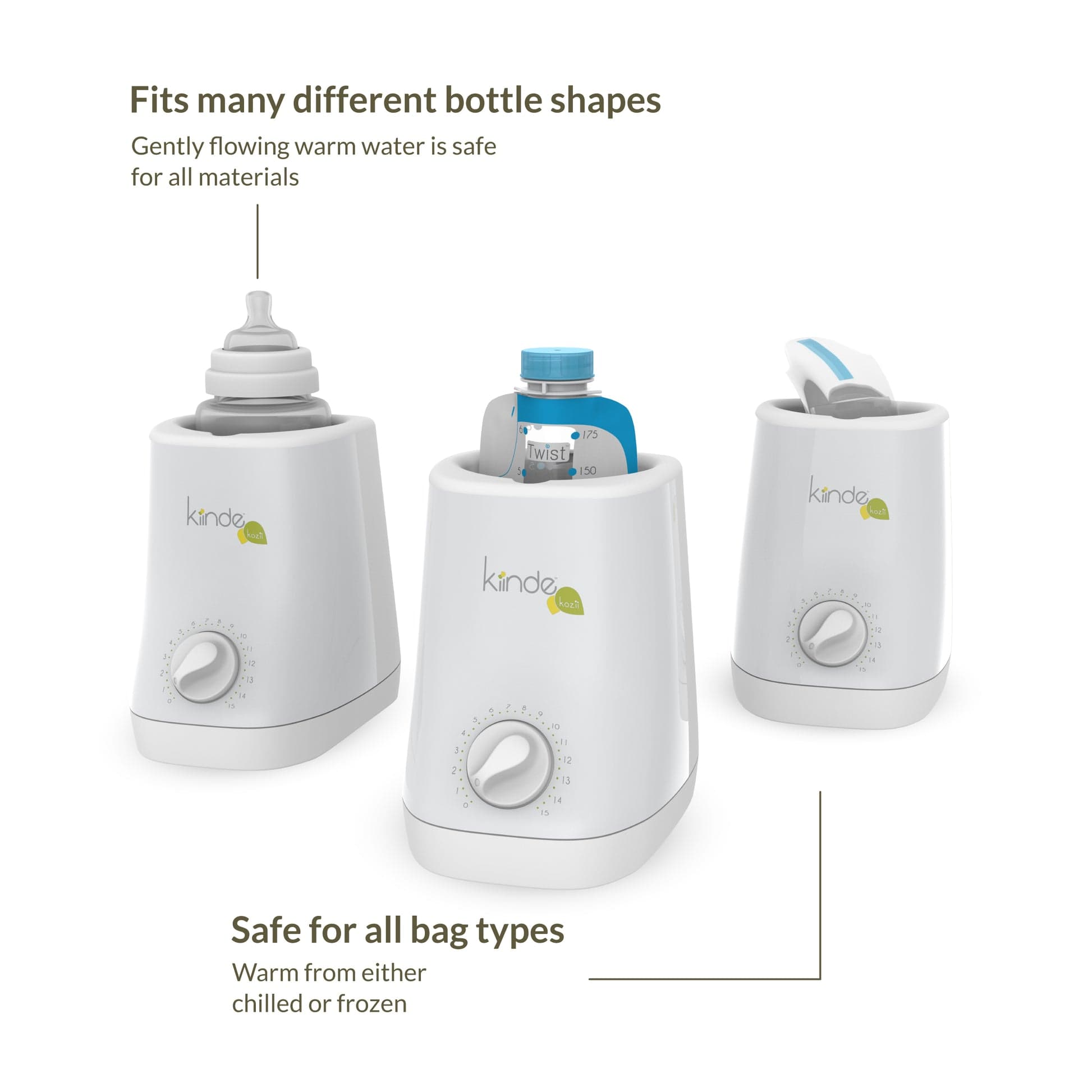
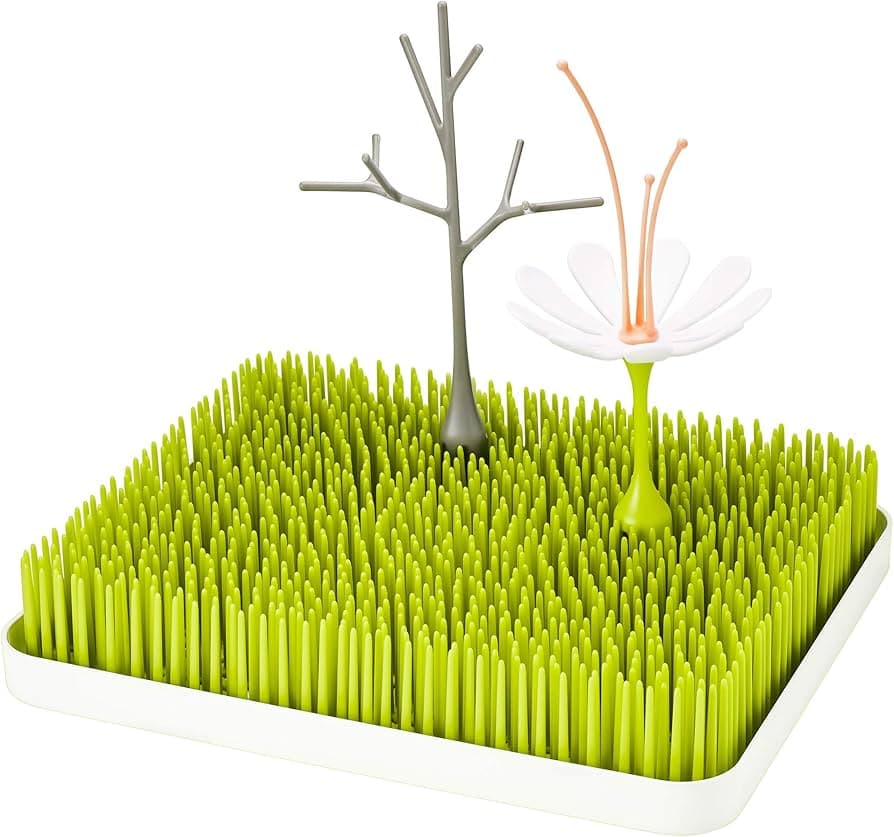
The gear is minimal: one pitcher, a dozen bottles because you will not wash mid-night, a drying rack that holds all twelve (the Boon Lawn Drying Rack is sized for exactly this), and a warmer if your babies insist. The Kiinde Kozii warms with a water bath rather than steam, which suits twins because you can drop the second bottle in while the first is feeding. Or skip the warmer, try cold or room-temperature bottles early, and thank yourself later. Most twin parents we know who started cold stayed cold.
The failure mode is the empty pitcher at 2am. The fix is boring: the second batch is a fixed evening task, like locking the door. Whoever is on the first shift mixes it.
The Baby Brezza Formula Pro Advanced#
The Brezza's whole pitch is on-demand, and on-demand is what a solo parent with two hungry babies wants. Press, wait, hand off, press again. No pitcher to run dry, no warmer queue. For a partner on the 2am to 8am shift who has never scooped formula in the dark, it removes an entire category of mistake.
The honest downsides at twin volume: it makes one bottle at a time, it is a countertop appliance the size of a coffee machine, and it wants regular disassembly and cleaning that we have seen twin parents fall behind on by week three. When the funnel gets crusty the dose drifts. That is why we tell people to weigh a bottle every so often. It is also the item most often listed used, because a lot of singleton families outgrow the need in six months. Buy it used, buy the replacement funnel new.
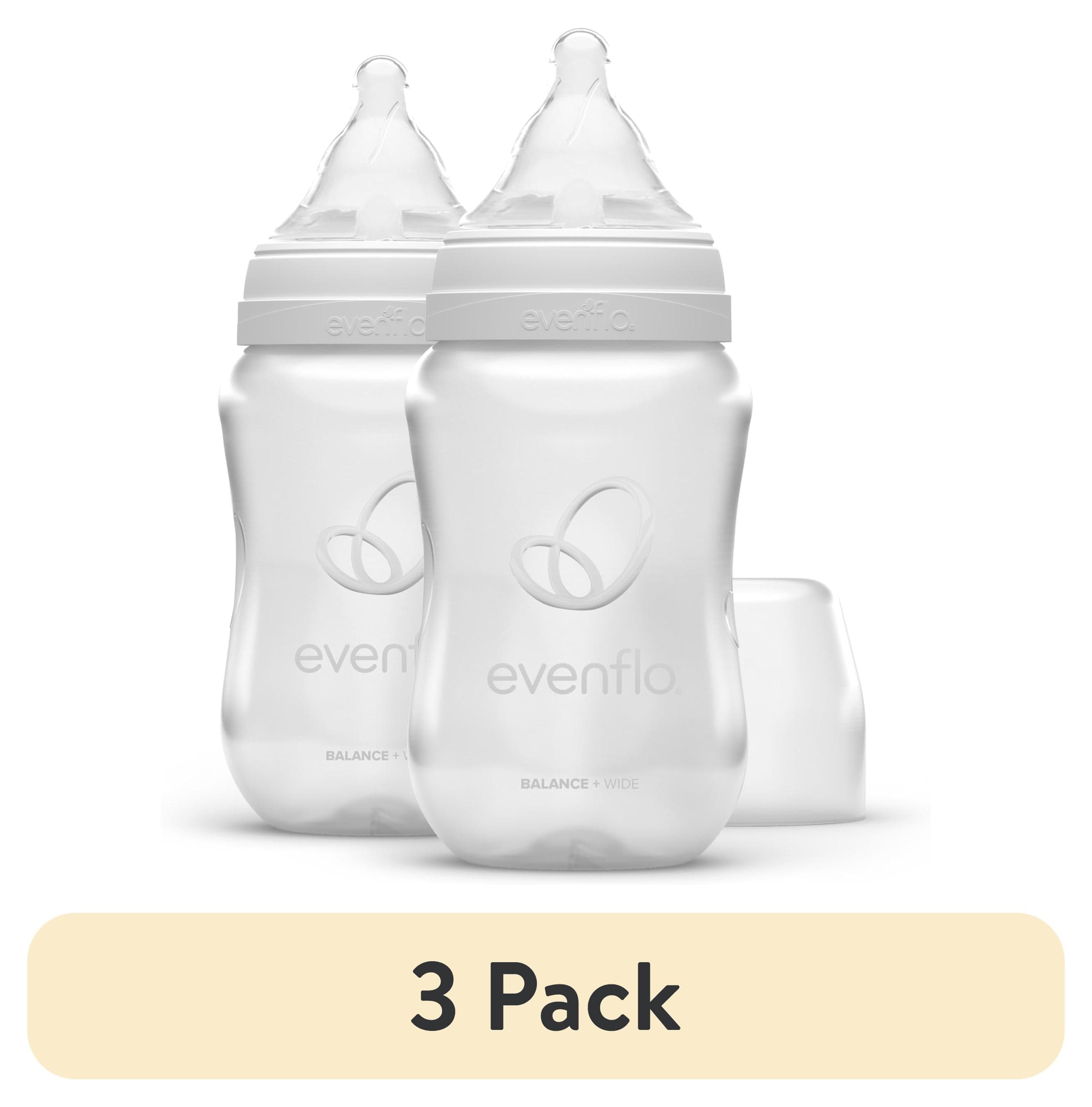
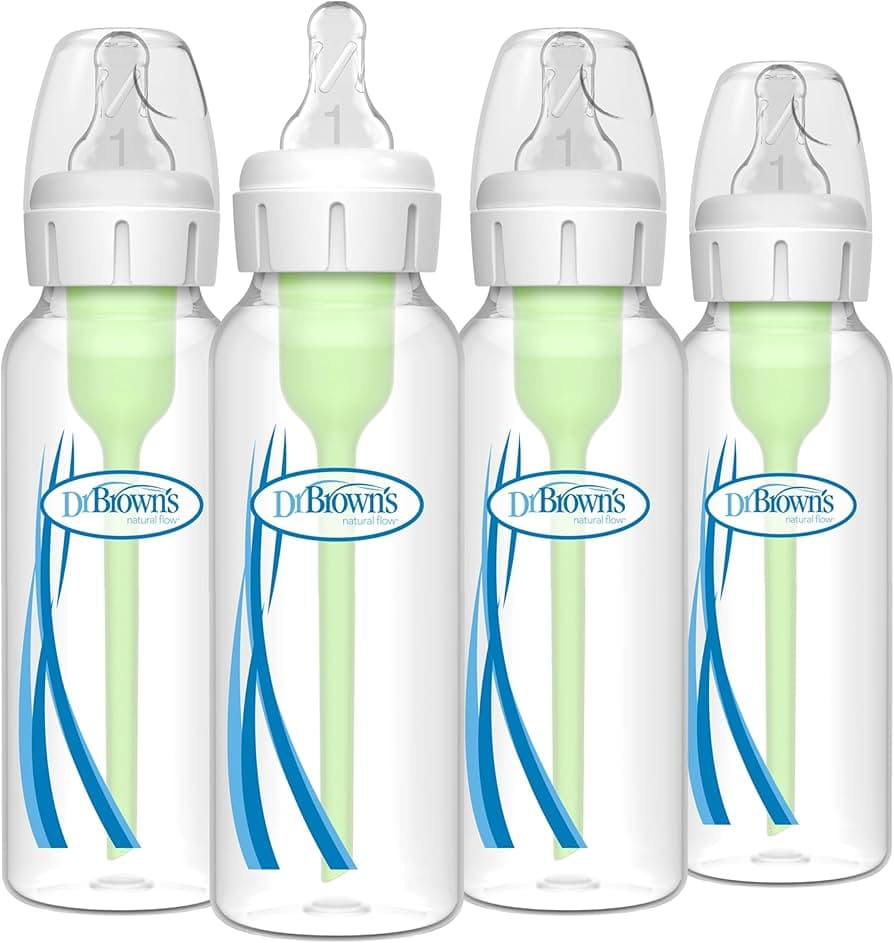
Bottle choice matters a bit here. Wide-neck bottles like the Evenflo Balance+ Wide sit under the dispenser without fuss. Dr. Brown's Natural Flow Options+ works but the vent insert adds a step at the exact moment you are trying to remove steps.
The dealbreakers#
- No counter space: the Brezza needs a permanent home near a plug. A galley kitchen with two bottle racks already on it is a pitcher household by default.
- Combination feeding: if half the day's bottles are pumped milk, the Brezza's on-demand advantage shrinks and the pitcher's batch logic fits better alongside the freezer stash.
- Specialty or hypoallergenic formula: check the Brezza's compatibility list before buying. Some formulas do not have a validated setting, and guessing is not an option here.
- You want both babies fed at the exact same second: the pitcher. Two pours, one pillow, done.
What we'd do#
Start with the pitcher, a dozen bottles, and the Boon Lawn rack. Run it for two weeks. If the night shift parent is losing the fight with the warmer and the fridge, pick up a used Brezza, put it on the night station, and keep the pitcher for daytime tandem feeds. Plenty of twin households run both, and the machine earns its counter space at 3am even if it never touches a daytime bottle.
Related reading#
The verdicts behind this guide
Mentioned in this guide
Featured picks
Some buy links earn us a small cut, at no extra cost to you. We still recommend skipping plenty of things, so it balances out.
FAQ
- How many formula pitchers a day do twins need?
- By three or four months, two babies drink somewhere around fifty to sixty ounces a day between them, and a standard pitcher holds about thirty-two. So the rhythm is two batches a day: one after the morning feed and one in the late afternoon to cover the evening and the night. Prepared formula keeps refrigerated for 24 hours, so this fits inside the window.
- Is the Baby Brezza worth it for twins?
- It is worth it for the night shift, where two warm bottles in under a minute with one hand is a genuine relief. It is less useful for daytime tandem feeds, where a pitcher pours two bottles at once. Many twin households run both: pitcher by day, Brezza at night. Buy the machine used and the replacement funnel new.
- Is the Baby Brezza accurate with formula?
- It is accurate when the powder setting matches your formula and the funnel is clean. At twin throughput the funnel gets crusty faster than the box suggests, and the dose can drift. Weigh a bottle on a kitchen scale in the first week and again after every deep clean. If your formula has no validated setting, use the pitcher.
- Do twins need warm formula?
- No. Babies who start on cold or room-temperature bottles usually stay happy with them, and for twins that removes a warmer queue at every feed. If yours insist on warm, a water-bath warmer like the Kiinde Kozii lets you drop the second bottle in while the first is feeding. Check with your pediatrician if you have any concerns.
Keep reading
Related guides
Gear Guides
UPPAbaby Vista V2 vs Baby Jogger City Select 2 for Twins
Both are inline twin strollers that clear an apartment door. The Vista is nicer to push, fold, and resell. The City Select 2 gives twins two equal seats for less money.
Sep 12, 2026
Gear Guides
Best Twin Bassinets for a Shared Bedroom
Bedside bassinets, dual bassinets, and what fits when you and the babies share a room for the first six months.
Sep 12, 2026
Gear Guides
Bugaboo Donkey 5 Twin vs UPPAbaby Vista V2: Side-by-Side or Inline
The Donkey puts twins next to each other in equal seats at about 28 inches wide. The Vista stacks them at about 26 inches for far less money. Doorways and budget decide it.
Sep 11, 2026