How Many Bottles Do Twins Need: The Real Number by Feeding Plan
Formula-fed twins need about 12 bottles if you wash once a day; combo-fed twins need 4 to 6. The count by feeding plan, why sizes and nipples matter more than brand, and how not to buy 24 of the wrong one.
How many bottles do twins need? For exclusively formula-fed or pumped-fed twins, 12 bottles is the number that lets you wash once a day and never run out mid-feed. For combination feeding, 4 to 6. For anything with daycare, add a set that lives at the center. The reasoning is arithmetic, not opinion, so here it is.
The washing math#
The number of bottles you need is feeds per day, times two babies, divided by how many times a day you are willing to wash. That last variable is the one you control.
- Newborn twins eat roughly every 2.5 to 3 hours, so about 8 feeds a day each. That is 16 bottle uses a day.
- By around 3 months, most twins are at 6 feeds each, so 12 uses a day. By 6 months, 5 each, 10 uses.
- Wash once a day (the evening batch): you need one bottle per use. 16 at the newborn stage, 12 by 3 months.
- Wash twice a day: you need half, plus two spares for the bottle that rolls under the couch. About 10.
- Wash after every feed: 4 bottles is technically enough. Nobody with twins does this past week two.
Our recommendation is 12. It covers the once-a-day wash from 3 months on, covers the newborn stage with one small midday wash, and matches the 3 and 4 packs most brands sell. Sixteen is fine if you have the counter space and the drying rack for it. Eight is the floor for exclusive bottle feeding.
The count by feeding plan#
- Exclusive formula: 12 bottles. Low is 8 with two washes a day. High is 16 for a strict one-wash household that also preps a pitcher of formula each morning and fills the day's bottles in one go.
- Exclusive pumping: 12 feeding bottles, plus whatever the milk gets pumped into. Pump-side bottles that double as feeding bottles cut the total. The Kiinde Twist Pouch System is built for exactly this: pump into the pouch, store it, feed from it, throw it away, and you need about 4 bottle shells instead of 12 bottles.
- Combination feeding, one or two bottles a day per baby: 4 to 6 bottles. Low is 4. High is 8 if the bottle share grows, which it often does with twins.
- Breastfeeding with an occasional bottle: 2 to 4. Buy one small pack and see if they take it before buying more.
- Daycare from around 3 months: add 6 to 8 bottles that live at daycare and come home to be washed. Twins at daycare go through 3 or 4 bottles each per day and the center will not wash them. Our daycare drop-off gear guide has the full list.
Sizes: small pack, big pack#
Bottles come in roughly 4 to 5 ounce and 8 to 9 ounce sizes. Twins are done with the small size by 3 to 4 months, sometimes sooner. Buy the small size in one pack and the big size for the bulk of the count. A big bottle with 3 ounces in it works fine. A small bottle with 7 ounces in it does not exist.
- Start: one 3 or 4 pack of small bottles per brand you are testing.
- Main count: 8 to 12 big bottles once you know which brand both babies accept.
- Nipples: buy flow levels in pairs of packs. Twins do not always want the same flow at the same time. It is normal for one to move to the next level a few weeks before the other.
Brand: test before you buy the dozen#
The classic twin registry mistake is 24 bottles of one brand before either baby has tried it. Some babies refuse a nipple shape, and now you own a crate. The fix is cheap: register for one small pack of two different brands, then buy the count after the first week home.
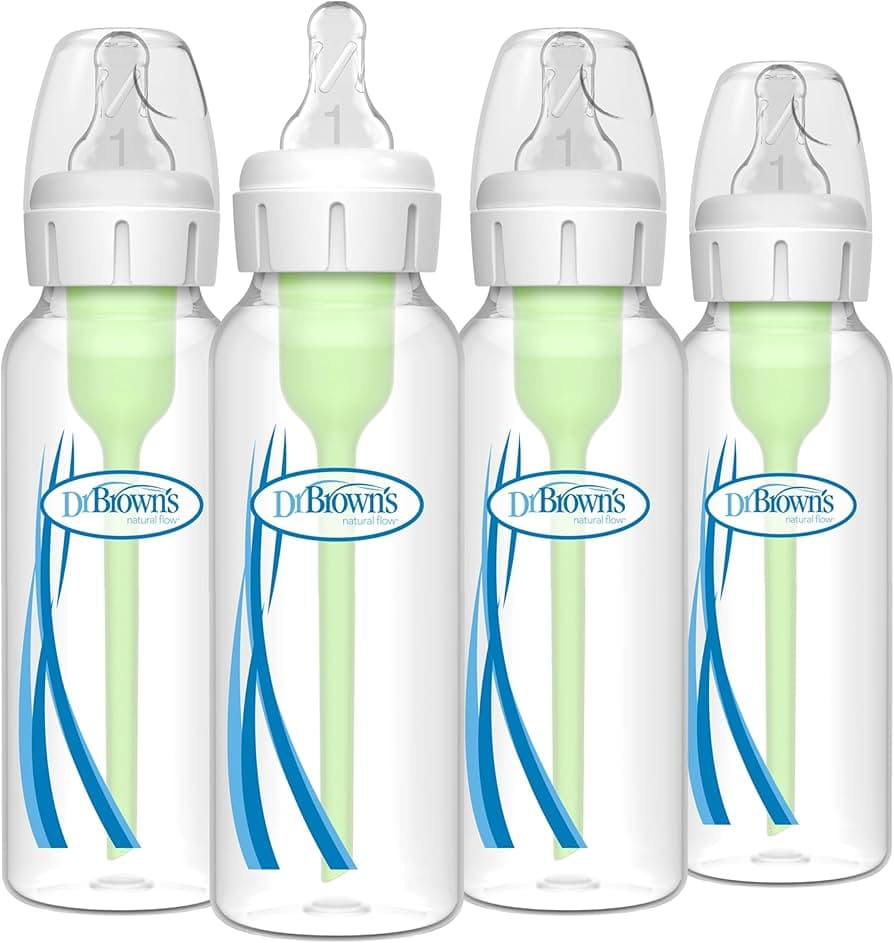
- Dr. Brown's Natural Flow Options+ at around $25 for a 4-pack: the vent system helps some gassy babies and annoys every parent who washes it. Twin volume makes the part count real. Twelve bottles is roughly 70 pieces.
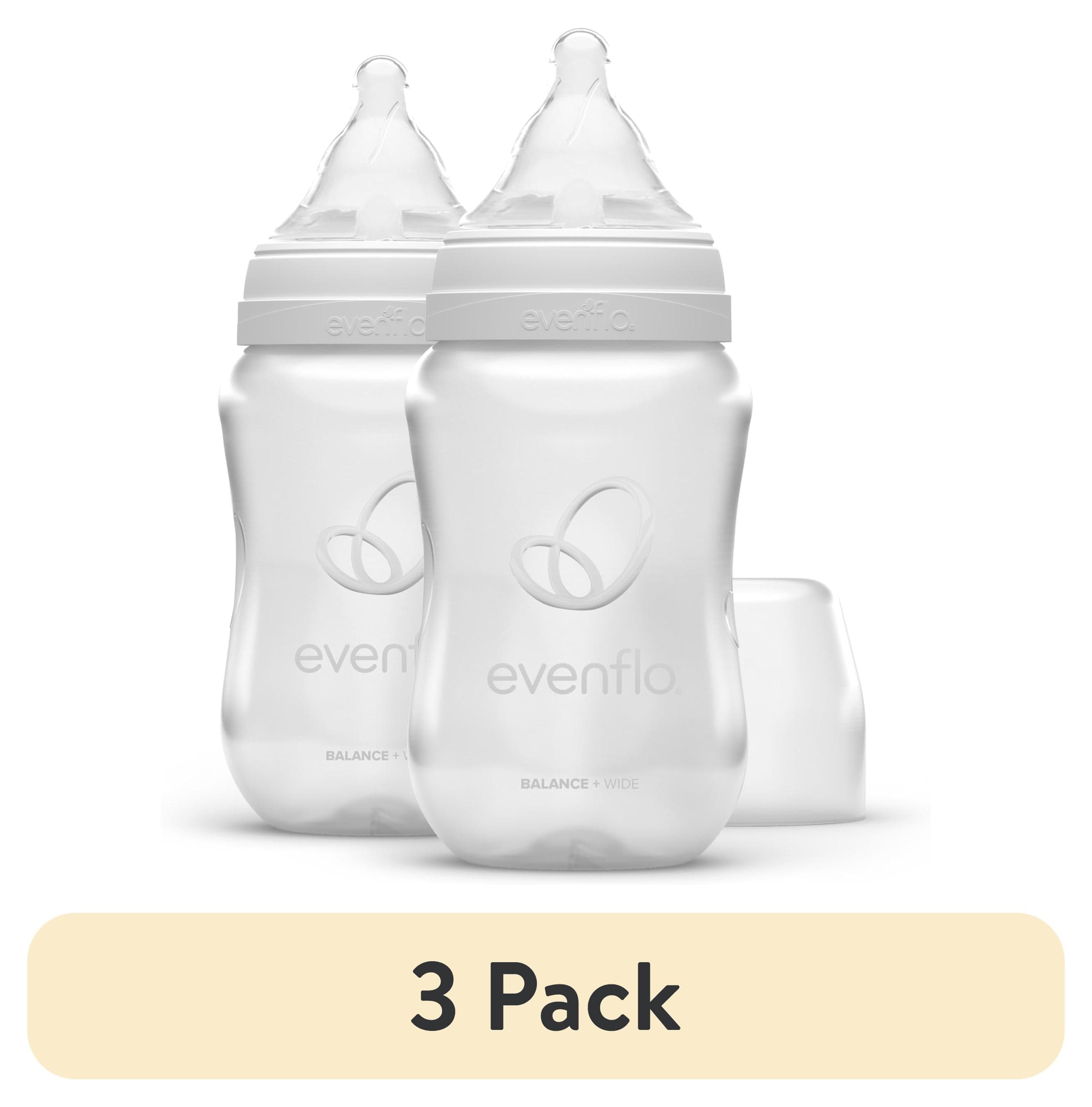
- Evenflo Balance+ Wide at around $20 for a 4-pack: few parts, wide neck, cheap enough to buy 12 without a discussion. Our budget default for formula twins.
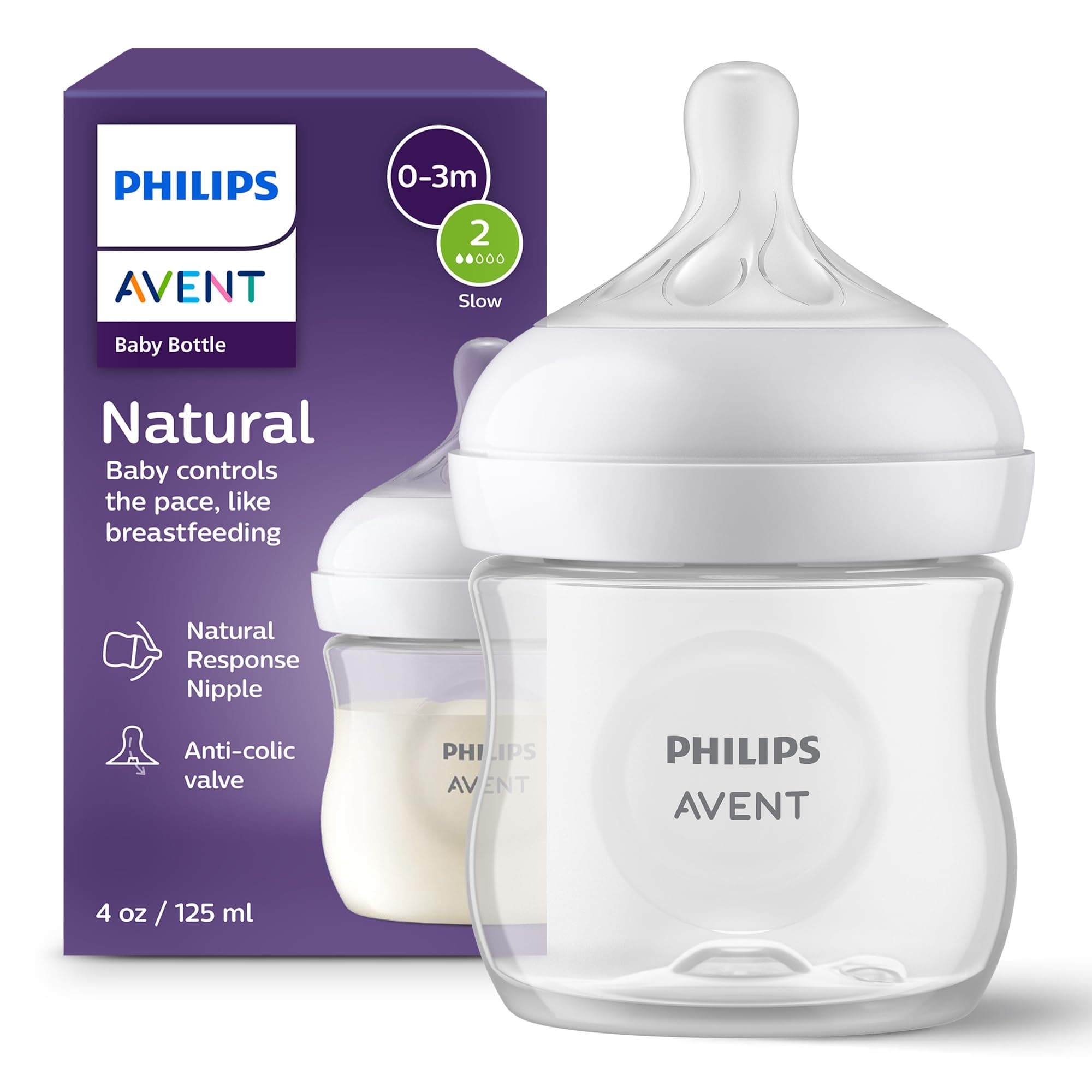
- Philips Avent Natural Response at around $30 for a 3-pack: a solid middle option with a simple vent and easy assembly.
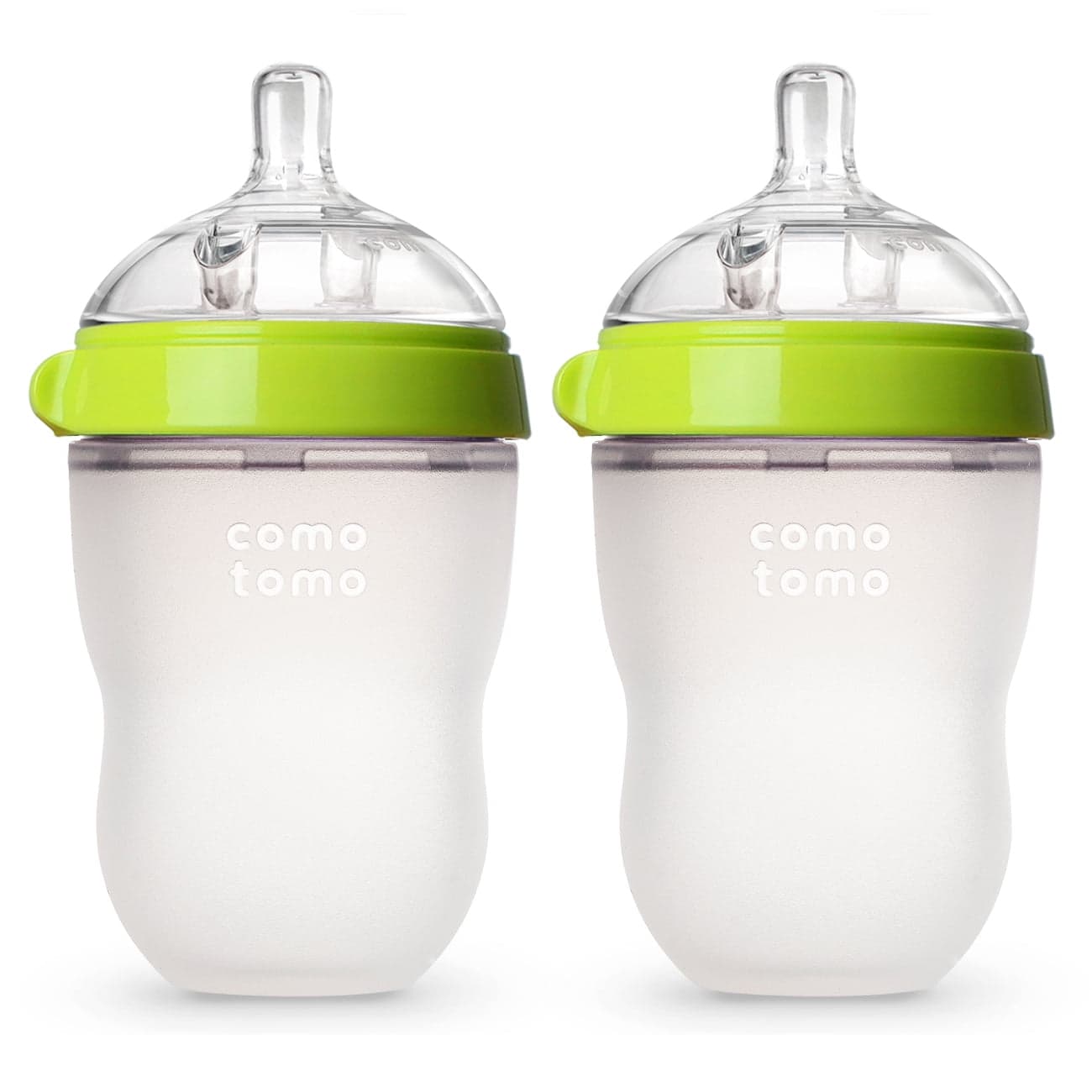
- Comotomo at around $30 for a 2-pack: soft and breast-shaped, popular with twins moving from breast to bottle. Pricier per bottle, so buy the count once you know it works.
- Munchkin Latch at around $15 for a 2-pack: budget anti-colic if the Evenflo is not in stock.
Two brands in the house is fine. Two brands with different nipple flows, different parts, and different warmer settings is a 3am puzzle. Once both babies take one brand, standardize.
The gear around the bottles#
- A big drying rack. The Boon Lawn at around $25 holds a twin day's worth. The Munchkin Deluxe at around $25 does the same in a tray shape. One is enough. Two is a counter you no longer have.
- A bottle brush with a nipple brush inside it. Buy two. One will be in the dishwasher when you need it.
- A warmer, one. The Philips Avent Fast Bottle Warmer at around $50 does a bottle in a few minutes, and back-to-back for two. Or skip warming entirely and serve room temperature from the start, which is a legitimate twin strategy.
- A formula pitcher or machine if you are formula feeding at volume. Our formula math article explains why 30 scoops a day changes the answer.
What we'd do#
Register for one 4-pack each of two brands in the small size. In week one, see what both babies accept. Then buy eight to ten of the big size in that brand, so the total lands at 12, plus one Boon Lawn and two brushes. Wash once a day in the evening. If daycare is coming, buy the daycare set when it is booked, not before. Skip the 24-pack and the bottle-of-the-month energy.
Related reading#
The verdicts behind this guide
Mentioned in this guide
Featured picks

Some buy links earn us a small cut, at no extra cost to you. We still recommend skipping plenty of things, so it balances out.
FAQ
- How many bottles do formula-fed twins need?
- Twelve. Newborn twins use about 16 bottles a day between them, dropping to 12 by around three months. Twelve bottles lets you wash once a day from three months on, with one small midday wash in the newborn weeks. Eight is the floor if you wash twice a day. Sixteen only makes sense if you have the counter and rack space.
- How many bottles do twins need for combination feeding?
- Four to six. With one or two bottles a day per baby, four covers the day with a once-a-day wash. Go to six or eight if the bottle share grows, which it often does with twins as the weeks go on. Buy one small pack first to confirm both babies accept the nipple, then buy the rest.
- What size bottles should twins start with?
- One small pack of 4 to 5 ounce bottles, then the bulk of the count in the 8 to 9 ounce size. Twins are usually done with small bottles by three to four months, and a big bottle with 3 ounces in it works fine. Buy nipple flow levels in pairs of packs, because twins rarely move to the next flow on the same week.
- Which bottle brand is best for twins?
- The one both babies accept, which you cannot know before they try it. Register for a small pack of two brands and buy the dozen after week one. Our budget default is the Evenflo Balance+ Wide for its four-piece count. Dr. Brown's Options+ helps some gassy babies but is six pieces a bottle, which at twin volume is around 70 pieces a night.
Keep reading
Related guides
Registry
Twin Discounts, Freebies, and Bulk Deals Worth Knowing
Every discount program, manufacturer freebie, and bulk deal that actually saves twin parents real money. No expired coupon codes, no affiliate tricks.
Sep 8, 2026
Registry
Twin Gear Resale Guide: What Holds Value and Where to Sell
Some twin gear holds 60% of its value after a year. Some is worth nothing. Here is what to sell, where to sell it, and how to price twin gear for a fast sale.
Sep 7, 2026
Registry
Building Your Twin Hand-Me-Down Network: Multiples Clubs and Consignment Sales
Twin gear is expensive new and almost free used. Here is how to find local multiples clubs, consignment sales, and the informal networks where twin parents trade gear in bulk.
Sep 7, 2026