Breast Milk Storage for Two: Freezer Math and the Gear That Holds Up
How much frozen milk twins actually need, how much freezer space that takes, and the storage gear that survives twin volume. The giant stash is usually the thing to skip.
How much breast milk should you have stored for twins? Less than the freezer photos suggest. A working stash for two babies is somewhere between three and five days of bottles, which is roughly 70 to 150 ounces, not the 800 ounce wall of bags that gets shared around. Below is the math for how a stash accumulates with two babies, how much freezer it eats, and the gear that holds up when everything is doubled. Supply questions go to your lactation consultant. This is the logistics.
The storage rules, briefly#
The standard storage chart (the CDC one, which is what most hospitals hand out) is the reference, and you should check the current version because it gets updated. The commonly quoted numbers are up to 4 hours at room temperature, up to 4 days in the fridge, and best within 6 months in the freezer, with up to 12 months acceptable. Thawed milk is used within 24 hours and never refrozen. With twins the practical consequence is that milk moves through the fridge fast enough that the fridge, not the freezer, does most of the work.
How a stash accumulates with two babies#
Assume the babies take about 45 ounces a day between them at 6 to 8 weeks, and you are pumping 8 sessions. Whatever you pump beyond 45 is surplus, and surplus is what freezes. Estimates, all of it, and yours will differ.
- Low: you pump 45 ounces, the babies take 45. Surplus is zero, or negative, and the stash is whatever you built in the first weeks. Common for twins, and not a failure.
- Typical: you pump 50 to 52 ounces. Surplus of 5 to 7 ounces a day, which is 150 to 200 ounces a month, or roughly 35 to 50 bags at 4 ounces each.
- High: you pump 60 or more. Surplus of 15 ounces a day, 450 ounces a month, over 100 bags. This is the freezer-wall scenario, and it is also the scenario where a lactation consultant should be asked whether that is the right number of sessions for you.
So in a typical month you add about 40 flat bags. Over three months of pumping at that rate the stash is around 120 bags, or roughly 500 ounces. That sounds like a lot. It is about 11 days of feeding two babies.
How much freezer that takes#
Freeze bags flat, then stack them on edge in a bin like files in a drawer. A flat 4 ounce bag is roughly the size of a phone. The estimates:
- A shoebox-sized bin holds roughly 30 to 40 flat bags, about 120 to 160 ounces.
- A standard fridge-freezer with the usual frozen peas and a bag of dumplings in it fits two or three of those bins without a fight. That is around 100 bags, close to the typical three-month stash.
- Anything beyond that means a small chest freezer, which is the point where we ask whether the stash is needed at all. A 5 cubic foot chest freezer holds more milk than two babies will drink before it expires.
Label each bag with the date and the ounces. Do not label by baby unless one of them is on fortified or otherwise special milk from the NICU. Twins share the stash, oldest first.
Sizing the stash to what it is for#
- Back to work with daycare: the center needs one day of bottles per baby, so around 12 ounces each, 24 total, and you pump at work to replace it. The stash needed is three to five days of buffer, 70 to 120 ounces, plus the daycare bottles.
- A night shift for the partner: one or two feeds of pumped milk per baby per night, 8 to 16 ounces a night. Fridge milk covers it. No freezer needed.
- A stash for weaning later: this is the giant-freezer use case, and it is the one where twin parents most often end up donating or tossing bags. Freeze surplus, sure, but do not add sessions to build a wall.
- A hospital readmission or a supply dip: this is what a 100 bag stash is really for, and why we would keep one that size and not larger.
The gear that holds up at twin volume#
- Bags: any major brand works. Buy the 100-count box, freeze flat, and stop there. Double-bag anything that will travel.
- The Kiinde Twist Pouch System at around $50 for the starter kit: pump into the pouch, cap it, fridge or freeze it, and feed from the same pouch in a Kiinde shell. At twin volume it removes a transfer step and a wash from every single feed. If you are exclusively pumping for two, this is the one product in this article we would tell a friend to buy unprompted.
- The Kiinde Kozii Bottle Warmer at around $60: a warm water bath that thaws and warms gently and fits the pouches. Slower than a steam warmer, kinder to milk.
- A fast warmer for the bottles: the Philips Avent Fast Bottle Warmer at around $50 or the Boon Orb at around $70, run back-to-back for two babies. One is enough.
- Two plastic bins for the freezer and one for the fridge, labeled by week. First in, first out only works if the bins make it obvious.
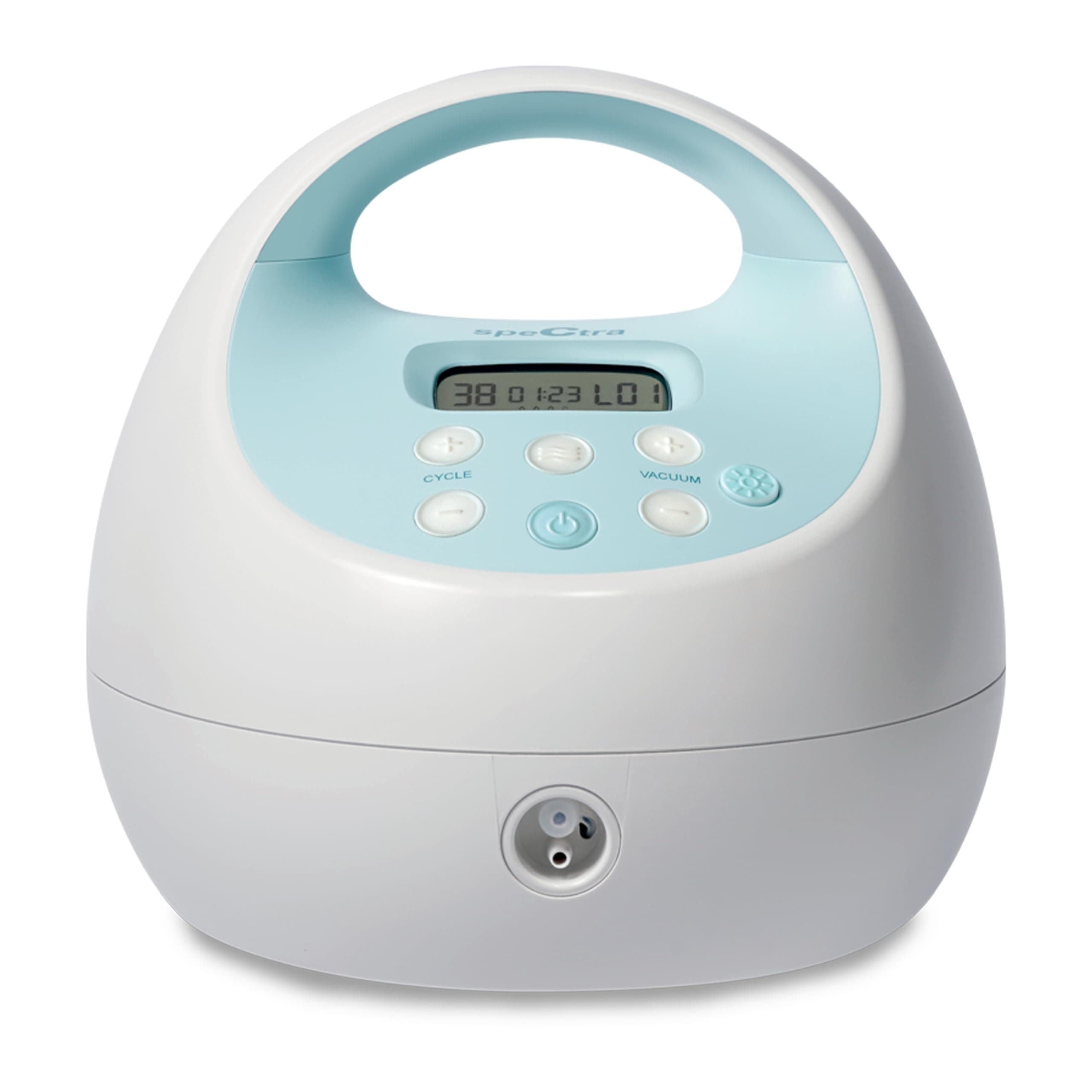
- A pump with a closed system and a battery, like the Spectra S1 Plus at around $200, if you are going to pump in more places than the couch. Our pump comparison covers the choices.
Twin-specific handling that trips people up#
- Combining sessions: most guidance says to cool freshly pumped milk before adding it to already-chilled milk from the same day. Twins mean a lot of small sessions, so a large fridge bottle for the day's pool, then portioning into the next day's bottles at night, is the efficient move. Confirm the pooling method with your lactation consultant.
- Portion for one baby, not two. A 4 ounce bag is one feed for one baby at two months. Freezing 8 ounce bags for a tandem feed sounds efficient until one baby takes 3 ounces and the rest is wasted.
- Thaw the night before, in the fridge. With twins the morning does not have time for thawing. Pull tomorrow's bags when you portion tonight.
- Fortifier or NICU instructions override everything here. If one twin came home with a feeding plan, follow it and keep that milk separate and labeled.
What we'd do#
Build a stash of around 100 bags in the first two months from surplus only, then let it hold. Run the daily supply through the fridge, portion the next day's bottles each evening, and thaw tomorrow's bags tonight. Use the Kiinde system if exclusively pumping, plain bags and two bins if not. Skip the chest freezer, skip the freezer photo, and put the extra hour a week into sleep.
Related reading#
The verdicts behind this guide
Mentioned in this guide
Featured picks


Some buy links earn us a small cut, at no extra cost to you. We still recommend skipping plenty of things, so it balances out.
FAQ
- How much breast milk should you have stored for twins?
- Three to five days of bottles for two babies, roughly 70 to 150 ounces, plus a daycare set if you are going back to work. A stash of around 100 flat bags covers a supply dip or a hospital stay. Beyond that, twin parents mostly end up donating or tossing bags. Build the stash from surplus, not from added sessions.
- How much freezer space does a twin milk stash take?
- Freeze bags flat and stack them on edge in bins. A shoebox-sized bin holds roughly 30 to 40 bags, and a normal fridge-freezer fits two or three bins alongside the peas. That is about 100 bags, close to a typical three-month surplus for twins. If you are shopping for a chest freezer, ask first whether the stash needs to exist.
- How long can pumped milk be stored for twins?
- The same as for one baby. The commonly quoted numbers from the standard CDC chart are up to 4 hours at room temperature, up to 4 days in the fridge, best within 6 months in the freezer and up to 12 months acceptable, with thawed milk used within 24 hours and never refrozen. Check the current chart, and follow any NICU feeding plan over all of it.
- Should breast milk be labeled by twin?
- No, unless one twin came home with fortified milk or a specific NICU feeding plan, in which case keep that milk separate and clearly marked. Otherwise twins share one stash, oldest bag first. Label with the date and the ounces, and portion bags for one baby's feed, not a tandem feed, so a small appetite does not waste half a bag.
Keep reading
Related guides
Registry
Twin Discounts, Freebies, and Bulk Deals Worth Knowing
Every discount program, manufacturer freebie, and bulk deal that actually saves twin parents real money. No expired coupon codes, no affiliate tricks.
Sep 8, 2026
Registry
Twin Gear Resale Guide: What Holds Value and Where to Sell
Some twin gear holds 60% of its value after a year. Some is worth nothing. Here is what to sell, where to sell it, and how to price twin gear for a fast sale.
Sep 7, 2026
Registry
Building Your Twin Hand-Me-Down Network: Multiples Clubs and Consignment Sales
Twin gear is expensive new and almost free used. Here is how to find local multiples clubs, consignment sales, and the informal networks where twin parents trade gear in bulk.
Sep 7, 2026