Best Double Electric Breast Pumps for Twin Moms
Hospital-grade vs portable, insurance-covered vs upgrade. Pump picks for the twin mom who is going to be pumping a lot.
Twin moms pump more than singleton moms. The math is simple: even partial breastfeeding twins often means daily pumping plus tandem nursing plus bottles. Some twin moms exclusively pump for both babies, which is a different sport again.
The pump matters more than usual. Suction quality, cycle length, weight, and noise become daily-life issues, not gear specs.
Why twin moms pump more#
Three reasons we hear from twin moms over and over:
- Supply: pumping after feeds in the early weeks is one of the standard strategies for building enough milk for two.
- Bottles: most twin households mix bottles and direct nursing, even when fully breastmilk-fed. Someone is going to pump.
- Sleep: dad or partner taking a night feed with bottled milk requires pumped milk to exist. Twin night-feed shifts depend on it.
Insurance-covered options worth taking#
In the US, most insurance plans cover one double electric pump under the ACA. Don't skip it. The ones twin moms tend to like:
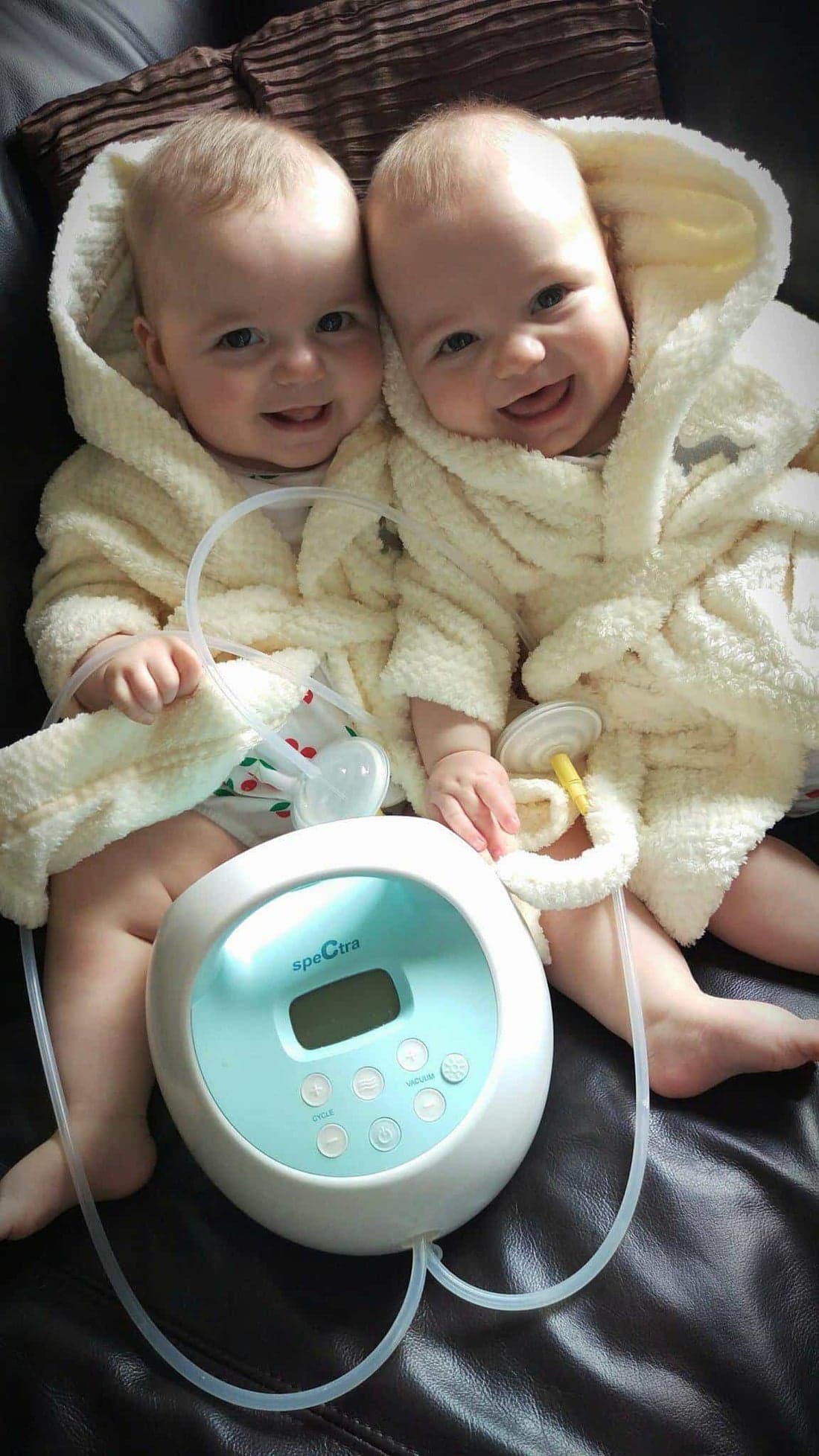
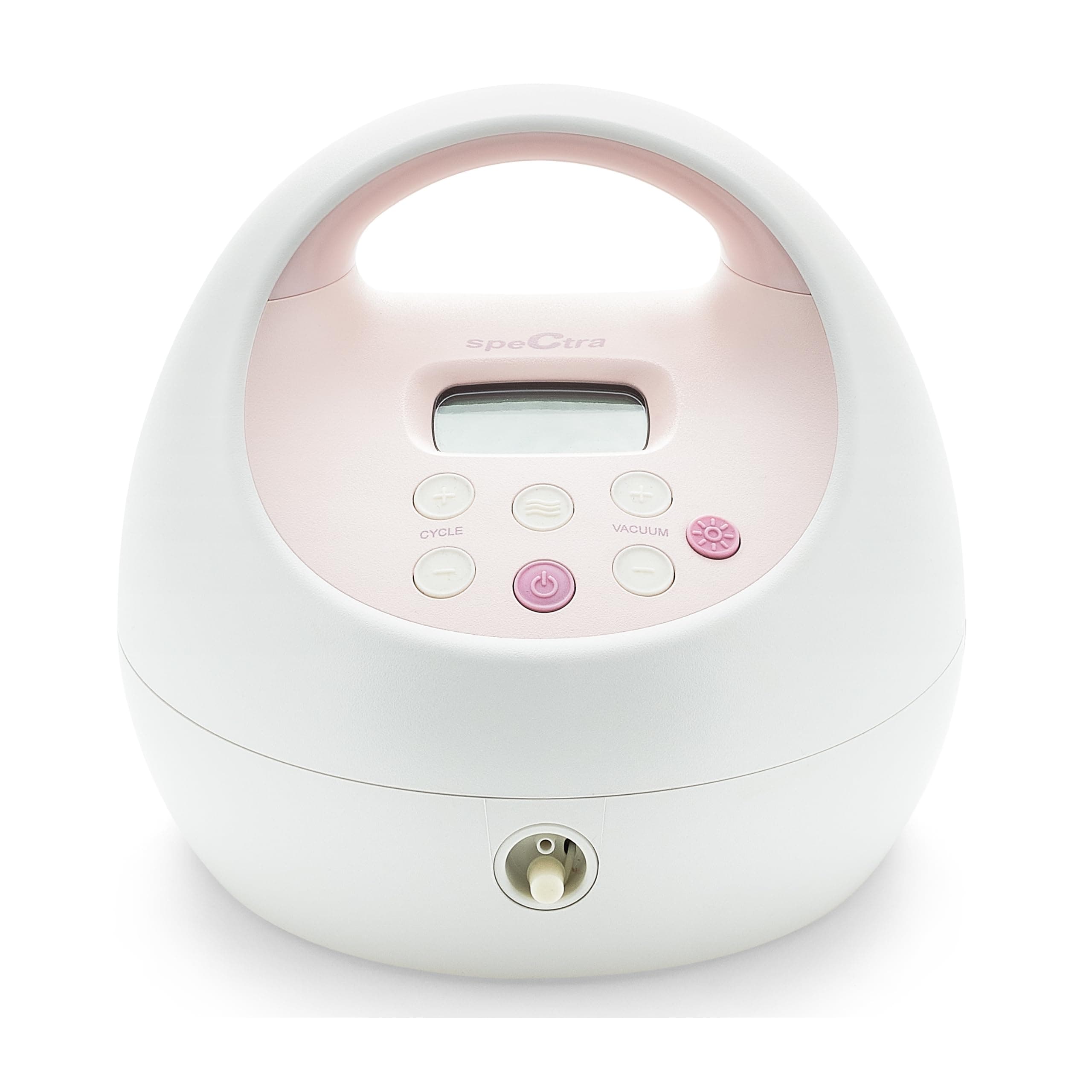
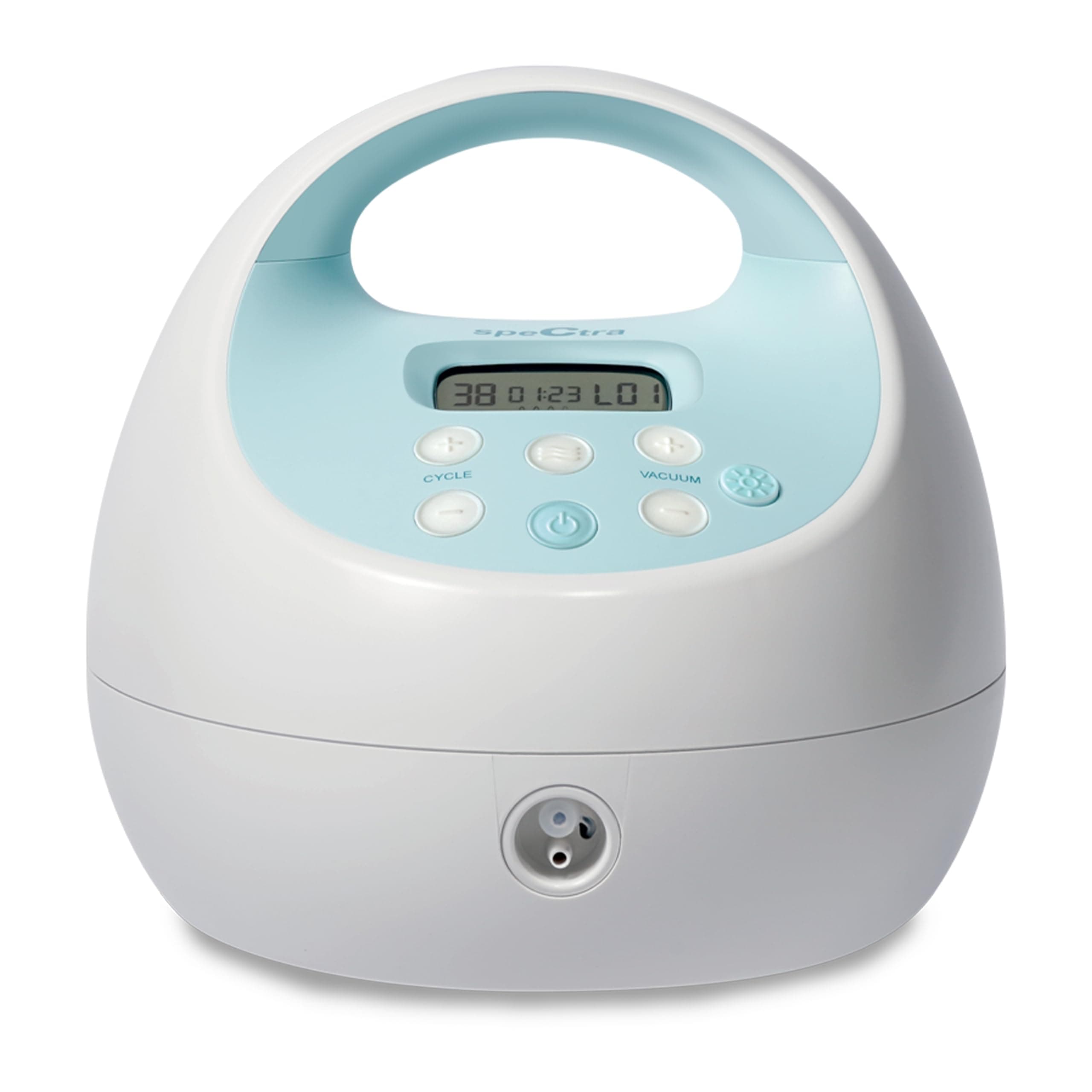
- Spectra S1 / S2. The most-recommended insurance pump for twin moms. Hospital-grade-style suction, quiet, rechargeable battery on the S1.
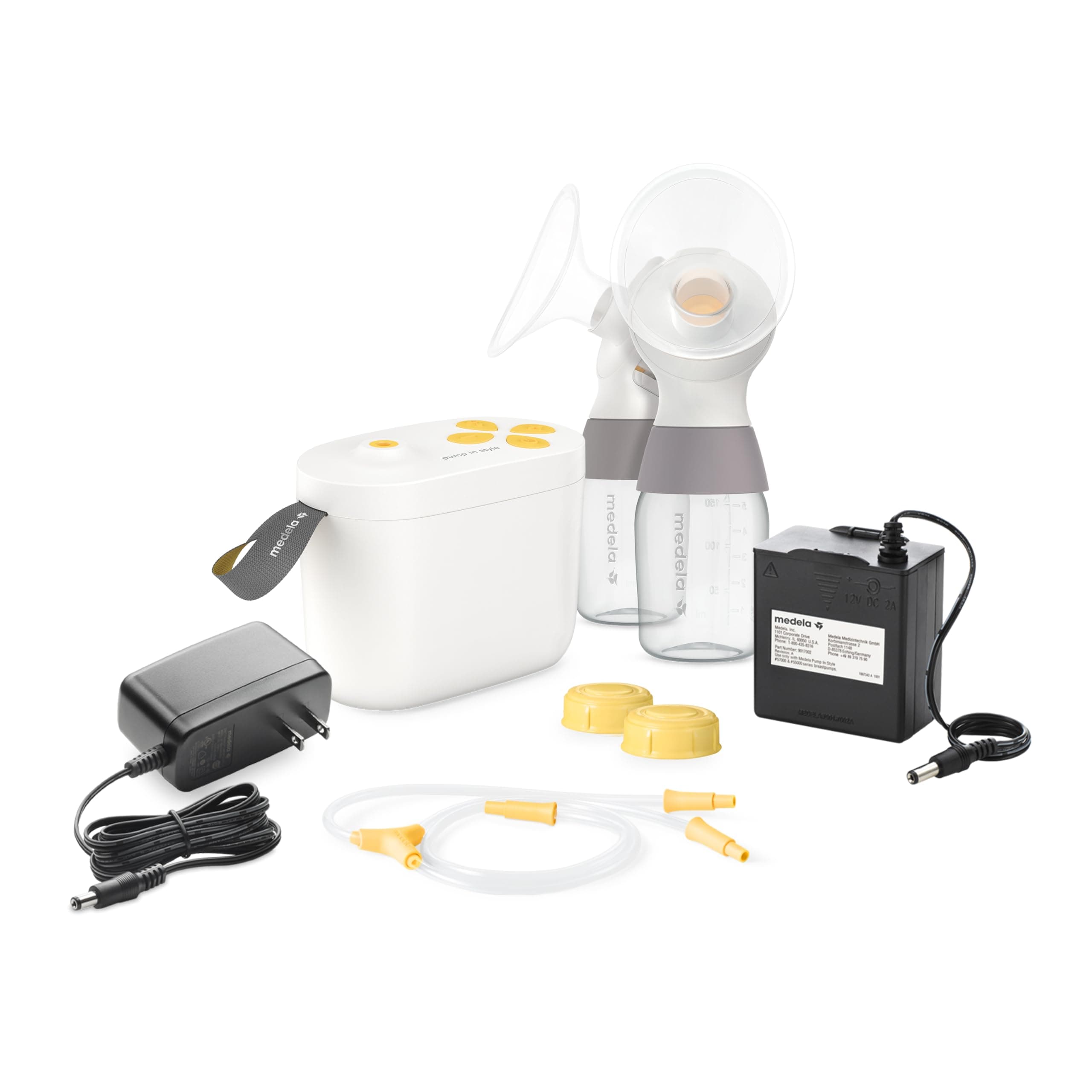
- Medela Pump In Style. Workhorse. Heavier than the Spectra, slightly louder, very reliable.
- Motif Luna. Newer, popular for portability and ease of use.
- Lansinoh SmartPump. Mid-tier, well-priced if upgrading.
Order yours through Aeroflow or a similar DME (durable medical equipment) supplier. They handle the insurance paperwork.
When to rent hospital-grade#
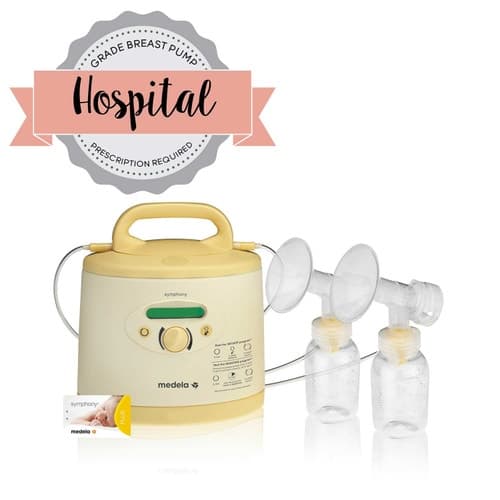
Hospital-grade pumps (Medela Symphony, Spectra Synergy Gold) are stronger and gentler than consumer pumps. They're rented monthly, not bought. Worth renting when:
- Babies are in the NICU and you're establishing supply at the pump first.
- You're exclusively pumping for both twins. You'll be at the pump 6 to 8 times a day.
- Your supply is struggling and the consumer pump isn't moving the needle.
Most rentals run $60 to $90 a month, sometimes covered partially by insurance. Worth every cent in the right circumstance.
Wearables vs traditional double pumps#
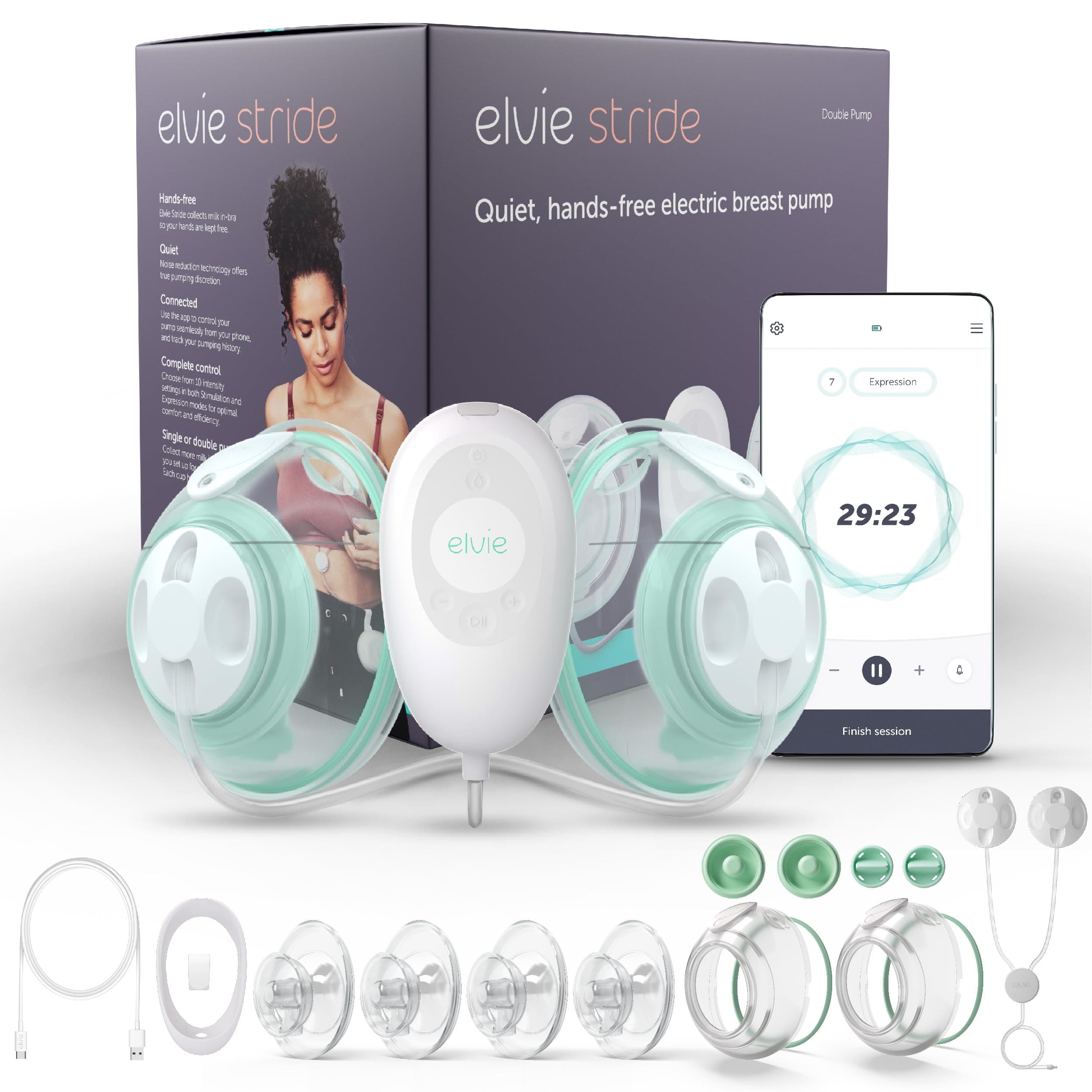
Wearable pumps (Elvie, Willow, Momcozy) fit inside a bra and are wireless. Most twin moms we know use a traditional double pump for the main pumping sessions and a wearable for the "I have to pump but I also have to be a person" sessions: in the car, at work, while feeding the other twin.
- Elvie. Quietest. Best app. Smaller capacity (5 oz per side).
- Willow. Strong suction. Loop-style waste tubing means you can lie down. Higher learning curve.
- Momcozy S12 / S9. The budget wearable. Quality varies; check for a current model.
Caveat: wearable suction is generally lower than traditional pumps. Don't replace the main pump with a wearable, especially in the supply-building phase.
Pump-parts inventory math#
Pumping for twins means more parts wear out faster. The standard advice: buy two full sets of duck valves and membranes per month, replace flanges every six months, and keep two complete sets so one can be in the dishwasher while the other is in use.
Also: get the right flange size. Most moms are using a flange that's too big. A 24mm default is rarely correct. The free flange-fitting consultations from Pumpables, Legendairy Milk, or your IBCLC are worth the 15 minutes.
What we'd do#
Take the insurance pump, default to the Spectra S1 if your insurer offers it, and add a wearable if your work, commute, or daycare runs require it. Rent hospital-grade for the first 6 to 8 weeks if supply is uncertain or babies are in the NICU. Buy two full sets of parts.
Related reading#
Mentioned in this guide
Featured picks
Some buy links earn us a small cut, at no extra cost to you. We still recommend skipping plenty of things, so it balances out.
FAQ
- Which breast pump is best for twins?
- Take the insurance pump and default to the Spectra S1 if your insurer offers it: strong suction, quiet, rechargeable battery. The Medela Pump In Style is the reliable workhorse alternative. Order through a DME supplier like Aeroflow so the paperwork is their problem, not yours.
- When should twin moms rent a hospital-grade pump?
- Three situations: the babies are in the NICU and you are establishing supply at the pump first, you are exclusively pumping for both twins (6 to 8 sessions a day), or supply is struggling and the consumer pump is not moving the needle. Rentals run 60 to 90 dollars a month and earn it in those cases.
- Are wearable pumps enough for twin pumping?
- No. Wearables (Elvie, Willow, Momcozy) have lower suction than traditional pumps, so they cannot be the main pump, especially while building supply for two. The pattern that works: a real double pump for main sessions, a wearable for the in-the-car, at-work, holding-the-other-twin sessions.
- How many pump parts do you need for twins?
- Two complete sets, so one can be in the dishwasher while the other works, plus roughly two sets of duck valves and membranes per month and new flanges every six months. And get a proper flange fitting: the default 24mm is rarely right, and free fitting consultations take 15 minutes.
Keep reading
Related guides
Gear Guides
UPPAbaby Vista V2 vs Baby Jogger City Select 2 for Twins
Both are inline twin strollers that clear an apartment door. The Vista is nicer to push, fold, and resell. The City Select 2 gives twins two equal seats for less money.
Sep 12, 2026
Gear Guides
Best Twin Bassinets for a Shared Bedroom
Bedside bassinets, dual bassinets, and what fits when you and the babies share a room for the first six months.
Sep 12, 2026
Gear Guides
Bugaboo Donkey 5 Twin vs UPPAbaby Vista V2: Side-by-Side or Inline
The Donkey puts twins next to each other in equal seats at about 28 inches wide. The Vista stacks them at about 26 inches for far less money. Doorways and budget decide it.
Sep 11, 2026