Pumping Schedule for Twins: The First Six Weeks, Hour by Hour
A sample pumping day for twins, hour by hour, and how it shifts from week one through week six. Sessions, not minutes, build supply for two. The supply questions themselves go to a lactation consultant.
What does a pumping schedule for twins look like in the first six weeks? Eight sessions a day in the beginning, spaced roughly every three hours around the clock, dropping to six or seven by week six if supply is where you and your lactation consultant want it. Below is a sample day, hour by hour, and how it shifts week by week. One thing first: we can tell you how to fit pumping into a twin day. How much milk you should be making, and what to do if it is not enough, is a question for a lactation consultant, ideally one who has worked with twins.
The principle: sessions, not minutes#
Supply for two is built the same way supply for one is, just with a higher target. In our experience the thing that moves it is the number of sessions in 24 hours, especially the overnight ones, not stretching any single session past 15 to 20 minutes. Eight short sessions beat five long ones. That is the whole reason the first-week schedule is so relentless, and the reason it eases.
It also means the pumping schedule and the twin feeding schedule are the same schedule. Pump right after the babies eat, or while a partner bottle-feeds both. Trying to run a pumping clock that is offset from the feeding clock is how you end up pumping while holding a crying baby in each arm.
A sample day, weeks 2 to 3#
Assume twins on a synced 3 hour feed, one parent pumping, and a partner or helper around for at least part of the day. Adjust the clock to your babies. Keep the gaps.
- 6:00am: feed both (tandem breastfeed, or bottles of pumped milk), then pump 15 minutes. This is often the biggest session of the day.
- 9:00am: feed both, pump. If a helper is there, they feed and you pump at the same time, which is the single best time-saver in this list.
- 12:00pm: feed both, pump. Eat something yourself during this one.
- 3:00pm: feed both, pump. If you are going to skip one daytime session for a nap, this is the one, and only from week three on, and only if supply is on track.
- 6:00pm: feed both, pump. Evening output often runs lower. Normal. Do not adjust the schedule based on one session.
- 9:00pm: feed both, pump, then bed. On a partner shift system, this is the last thing before your protected sleep block.
- 12:00am: the on-duty partner feeds pumped milk or formula while you pump for 15 minutes and go straight back to sleep. Or you feed and pump both, if solo.
- 3:00am: same as midnight. The session everyone wants to drop. It is also the one lactation consultants most often tell twin parents to keep the longest.
That is eight sessions and roughly two hours of pumping in 24, plus the washing. It is a lot, and it is temporary.
How it shifts across the six weeks#
Week 1
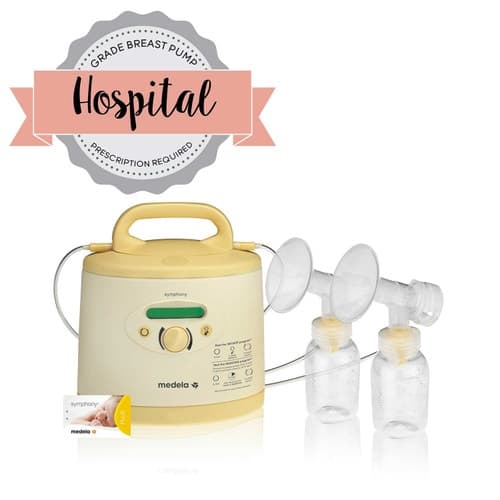
Eight to ten sessions a day, every 2 to 3 hours, including overnight, about 15 minutes each. If the twins are in the NICU, this is where a hospital-grade rental like the Medela Symphony at around $70 a month earns its keep, and the hospital will usually hand you the schedule. If the babies are home, pump after every feed and do not skip nights. The goal this week is frequency, not volume.
Weeks 2 to 3
Eight sessions, the sample day above. This is where a routine becomes possible because the babies have a rough rhythm. Add the second and third set of pump parts now if you have not. Ask your lactation consultant whether your output is tracking for two, and get a target number so the next decision is a decision rather than a guess.
Weeks 4 to 6
Seven sessions, often dropping to six by the end of week six, by stretching one overnight gap to four hours first and then, if output holds, merging two daytime sessions. Drop one session at a time and give it several days before dropping the next. If output falls, add the session back. This is exactly the decision to make with the lactation consultant, with numbers, not in the dark at 3am.
The gear that makes eight sessions survivable#
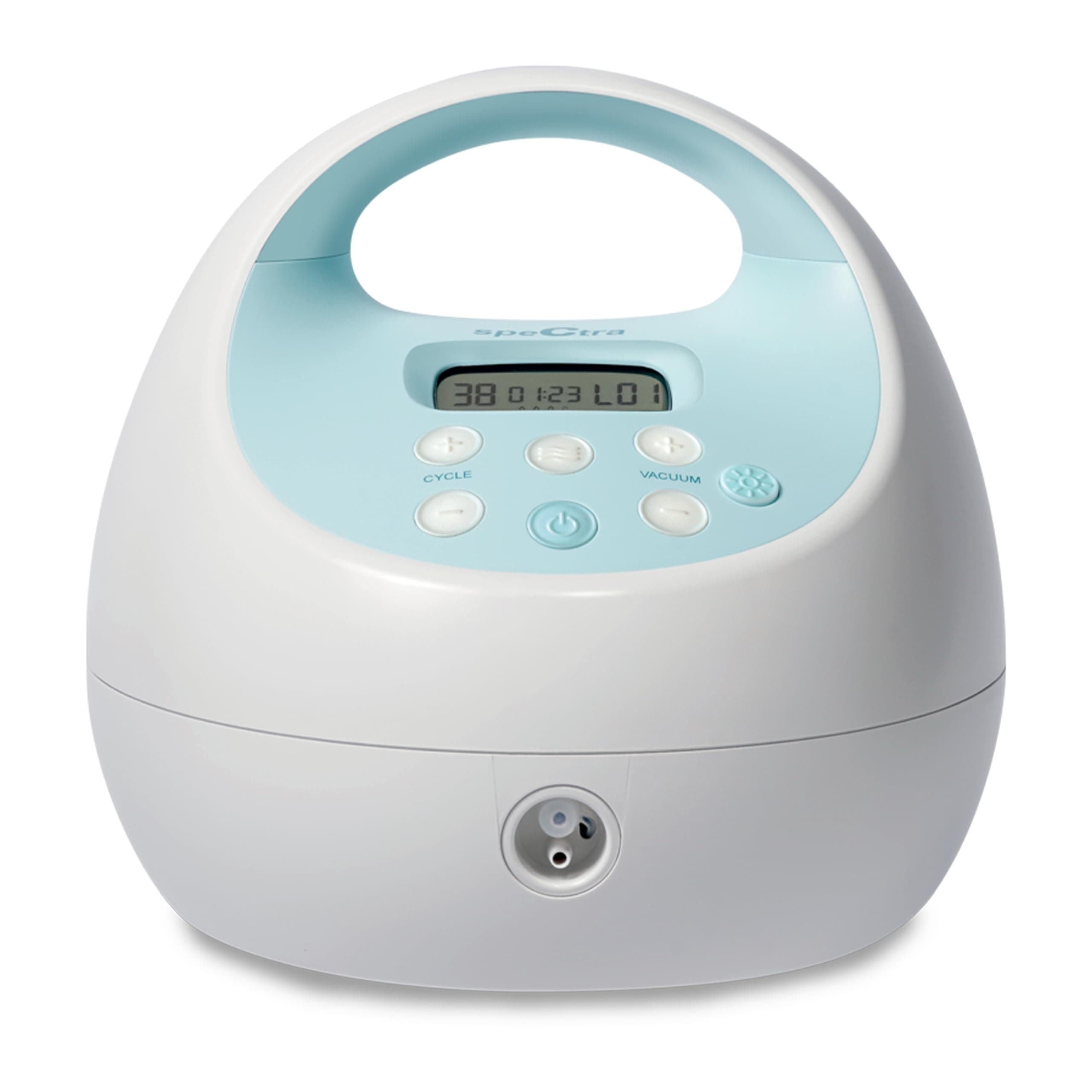
- A strong double electric pump, one. The Spectra S1 Plus at around $200 is the twin-parent default: hospital-grade strength, closed system, and a battery, so the 3am session does not require finding an outlet. The Medela Pump In Style with MaxFlow at around $250 is the common insurance-covered alternative.
- A hospital-grade rental for the first weeks if the babies are early or supply is slow to start. The Medela Symphony rental is the one you will see in NICUs. It is rented, not bought, and a closed-system rental is fine to use after other people.
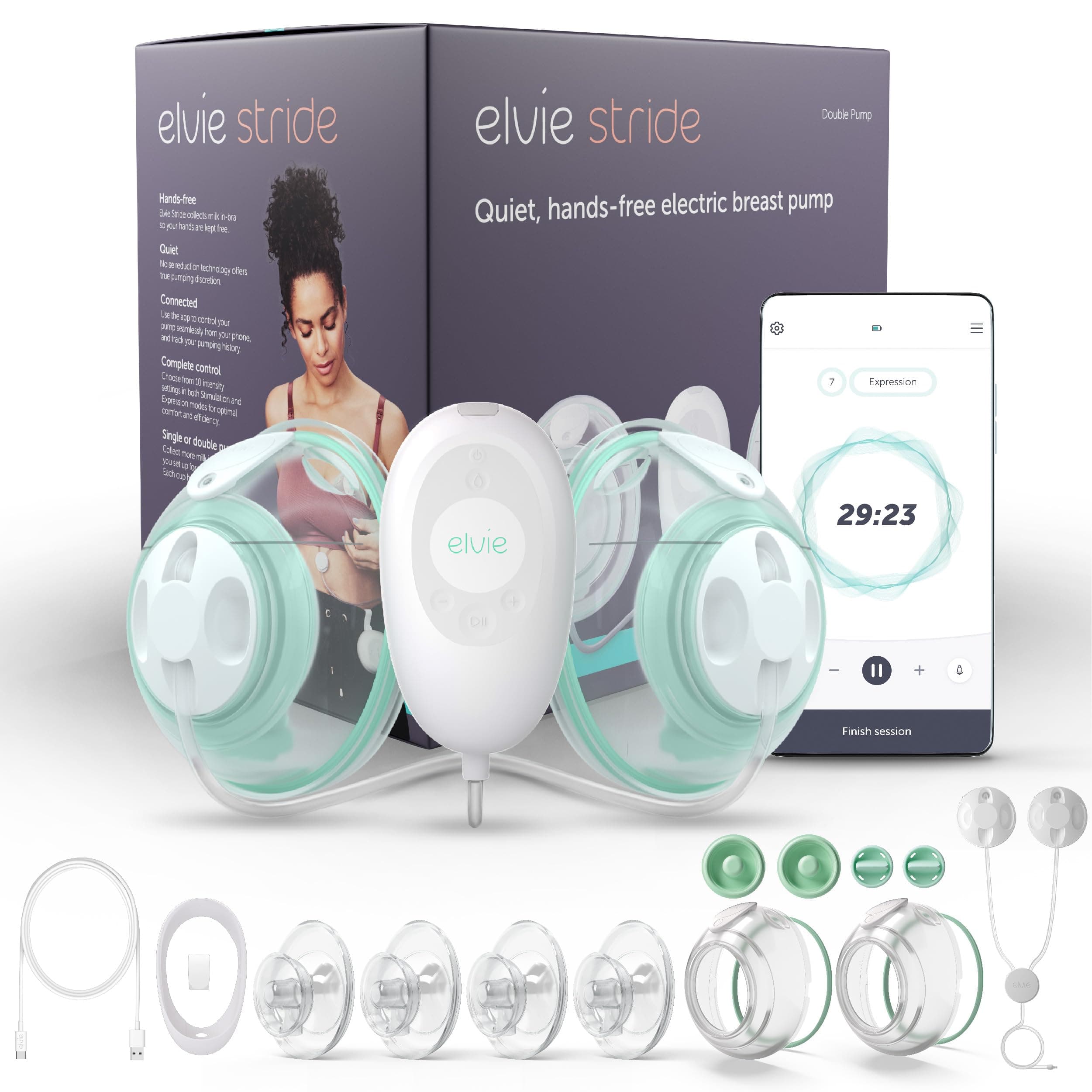
- A wearable pump as the second pump, not the only one. The Elvie Stride at around $300 or the Willow Go at around $330 let you pump while holding a baby, which at twin volume is the difference between a session happening and not. Most twin parents we know use a wearable for the daytime sessions and the plug-in for mornings and nights.
- Two or three full sets of pump parts. Washing after every session is the guidance. Three sets means one wash a day, not eight.
- A hands-free pumping bra. Not optional. You will be feeding a baby during pumping sessions.
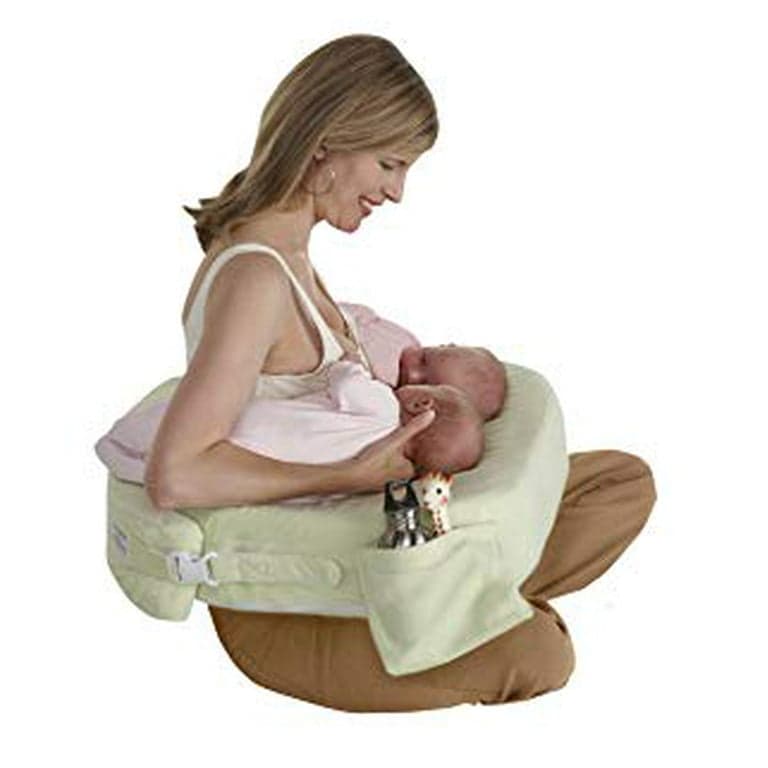
- A twin feeding pillow like the My Brest Friend Twins Plus at around $120 if you are tandem nursing between pumps.
- Storage that does not multiply the washing. The Kiinde Twist Pouch System pumps into a pouch that stores, freezes, and feeds. Our storage guide covers the freezer math.
The things that quietly break the schedule#
- Cluster feeding evenings. When both babies want to eat every hour from 6pm to 10pm, the 6 and 9 pumps get skipped. Keep one of them, even if it is short.
- The solo day. If you are alone with both babies, a wearable pump and a bouncer for each baby is the setup. Feed, park both babies in bouncers, pump while they digest.
- Sleep. The partner shift system is what makes a night pump compatible with sleep. Pump, hand off, sleep. Do not stay up to settle the babies after a night session if someone else can.
When to call the lactation consultant, not us#
Any question with a number in it: how much you should be making, whether a gap is too long, whether to add or drop a session, what to do about a big difference between sides, pain, or a baby who is not gaining. Twin supply is a specialist question. Book the consult before delivery if you can, so the first call is a follow-up, not an introduction. Your pediatrician handles the baby-side questions and the weight checks.
What we'd do#
Run eight sessions a day for the first three weeks on the feeding clock, keep the 3am one longest, and buy three sets of parts before the babies arrive. Use a plug-in pump for the morning and the nights, and a wearable for the daytime sessions if the budget allows. Drop to seven sessions in week four and six by week six only with a lactation consultant's numbers in hand. And run it on the partner shift system, because a pumping schedule without protected sleep is not a schedule, it is a countdown.
Related reading#
The verdicts behind this guide
Mentioned in this guide
Featured picks

Some buy links earn us a small cut, at no extra cost to you. We still recommend skipping plenty of things, so it balances out.
FAQ
- How often should you pump for twins in the first weeks?
- Eight to ten sessions a day in week one, every 2 to 3 hours including overnight, about 15 minutes each. Eight sessions through week three, then seven and eventually six by week six if output holds. The number of sessions, especially the overnight ones, is what builds supply for two. Session length past 15 to 20 minutes adds little in our experience.
- What is a realistic pumping schedule for twins?
- Pump on the feeding clock: 6am, 9am, noon, 3pm, 6pm, 9pm, midnight, and 3am, each right after the babies eat or while a partner bottle-feeds both. That is about two hours of pumping in 24 plus washing. On a partner shift system, the midnight and 3am sessions are pump, hand off, and straight back to sleep.
- When can you drop the 3am pumping session with twins?
- Later than you would like. It is the session lactation consultants most often tell twin parents to keep the longest. From week four, stretch one overnight gap to four hours first, watch output for several days, and only then merge daytime sessions. Make that call with a lactation consultant and a target number, not at 3am on a hunch.
- Do you need two breast pumps for twins?
- One strong double electric pump like the Spectra S1 Plus is the requirement. A wearable like the Elvie Stride or Willow Go as a second pump is a luxury that pays off at twin volume because you can pump while holding a baby. Buy three sets of parts either way, so the day's parts wash in one batch instead of eight.
Keep reading
Related guides
Survival
Should Twins Be in the Same Class or Separate? What the Research Says
Every twin parent faces this question by age 4 or 5. Schools often have a default policy. The research says the answer depends on your specific twins, not a blanket rule.
Sep 11, 2026
Survival
Twin Childcare: Daycare vs Nanny vs Nanny Share vs Au Pair
Childcare is the single largest twin expense. Here is what each option actually costs, when each makes sense, and the hidden costs most guides skip.
Sep 11, 2026
Survival
NICU Survival Guide for Twin Parents
About half of twins spend time in the NICU. It is scary, it is common, and it usually ends well. Here is what to expect, what to pack, and how to get through it.
Sep 11, 2026