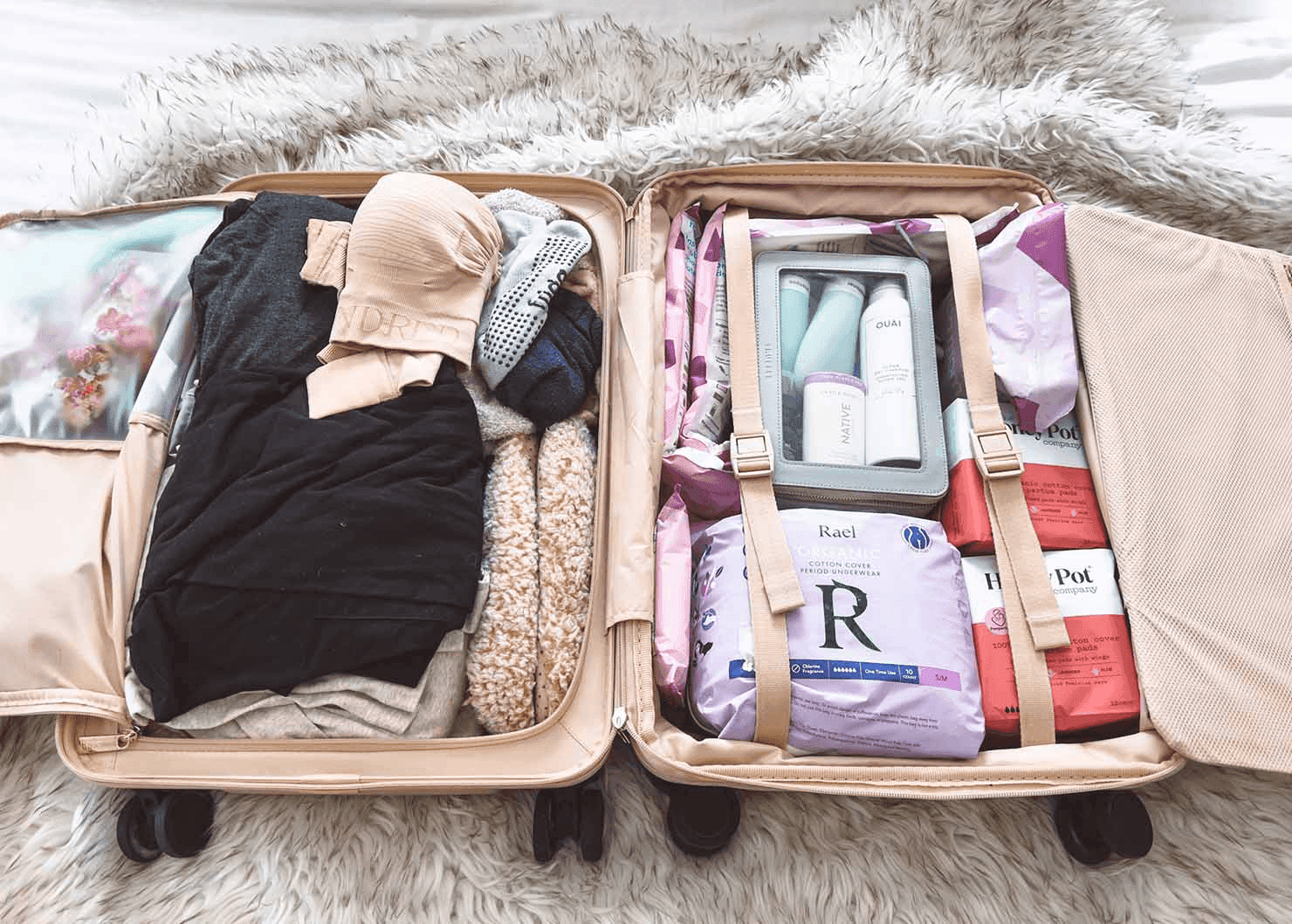
The Twin Hospital Bag: What to Pack by Week 28
Twin deliveries happen earlier than singletons. Your bag should be packed by week 28, not 36. Here is what to bring, what to skip, and a separate list for NICU prep.
Singleton hospital bag guides say pack at 36 weeks. Twin parents should pack at 28. The average twin delivery is at 36 weeks, but about 20% of twins arrive before 34 weeks. You do not want to be stuffing a bag during contractions at week 32.
Why twins need a different packing list#
Three things make the twin hospital bag different from a singleton bag:
- Higher C-section rate. About 40 to 75% of twin deliveries are cesarean, depending on presentation and provider preference. C-section recovery changes what you need to wear and how you move.
- Possible NICU stay. About 50 to 60% of twins spend at least some time in NICU. Your bag should include items for repeated NICU visits, not just a delivery room stay.
- Longer hospital stay. Twin vaginal deliveries: typically 2 to 3 days. Twin C-sections: typically 3 to 5 days. Pack for 4 days minimum.
The main bag: for labor, delivery, and recovery#
- ID, insurance card, and hospital paperwork. Pre-register if your hospital allows it.
- Birth plan (printed, short, flexible). Twin deliveries deviate from plans more often than singletons. Keep it to one page of preferences, not demands.
- Loose, high-waisted clothing for going home. If you have a C-section, nothing with a waistband that hits the incision. Maternity leggings or a loose dress.
- Nursing bra or comfortable sports bra. Even if you plan to bottle-feed, your milk will come in.
- Toiletries: toothbrush, face wash, lip balm (hospitals are dry), hair ties, deodorant. Skip the fancy stuff. You want clean and functional.
- Phone charger with a 6-foot cable. The outlets are never close to the bed.
- Snacks. Hospital food is inconsistent and meal timing does not align with your schedule. Granola bars, nuts, dried fruit, crackers.
- A going-home outfit for each baby. Two outfits, newborn size. If your babies are premature, bring preemie-size as well.
- Two car seats installed in the car before you leave for the hospital. Not in the trunk. Installed. The hospital will not discharge your babies without them.
C-section specific additions#
If you know you are having a planned C-section, or want to be prepared just in case:
- High-waisted underwear (not bikini-cut). The incision sits low and anything that rubs across it is miserable. High-waisted recovery underwear or mesh hospital underwear works.
- A small pillow for the car ride home. Hold it against your abdomen over the seatbelt. Bumps hurt.
- Slip-on shoes. You will not be bending down to tie laces for a week.
- Stool softener (or ask the hospital to provide it). Post-C-section constipation is real and unpleasant.
- A lightweight robe that opens in the front. For breastfeeding, for kangaroo care, and for walking the halls during recovery (which you should do as soon as cleared).
NICU prep: the second bag#
If your twins go to the NICU, you will be making daily visits, sometimes for days, sometimes for weeks. Pack a separate small bag or backpack for NICU trips.
- Comfortable shoes for walking hospital hallways.
- Zip-front or button-front shirt for skin-to-skin (kangaroo care). You need chest access without removing everything.
- A notebook and pen for recording what nurses tell you about each baby.
- Headphones for pumping sessions and waiting time.
- A water bottle and non-crumbly snacks.
- A phone charger (again, because it will live at the bedside).
- Photos of the family for the isolette. Many NICUs welcome a small family photo taped where the baby can see it.
For the support partner#
- A change of clothes. The partner often stays overnight and hospital sleeper chairs are not luxurious.
- Toiletries and a towel. Some hospitals provide partner showers. Some do not.
- Their own snacks and water bottle.
- A pillow from home. Hospital-issued pillows are thin.
- Cash or a card for the hospital cafeteria and parking.
- A camera or phone with storage space. You will take hundreds of photos in the first 48 hours.
What to leave at home#
- Expensive jewelry. Leave it home.
- A full-size pillow for the bed (hospitals provide these and space is tight).
- Multiple outfit options for you. You will wear one outfit home. Bring one.
- Newborn diapers in bulk. The hospital provides diapers during your stay.
- A laptop. You will not use it. Your phone covers everything.
- Books. You will not read. You will stare at your babies and try to sleep.
Timing: the packing calendar#
- Week 28: pack the main bag and the NICU bag. Put both by the door.
- Week 30: install car seats. Do not wait.
- Week 32: confirm hospital pre-registration. Add insurance cards and ID to the bag.
- Week 34 onward: the bag is packed, the seats are installed, the plan is in place. Now you wait.
What we would do#
Pack at 28 weeks, not 36. Include C-section supplies even if you are planning vaginal, because twin delivery plans change frequently. Keep a separate NICU bag ready. Install car seats by week 30. The earlier you prepare, the less you think about logistics when labor starts, and the more you can focus on the two small humans arriving.
Related reading#
FAQ
- When should you pack a hospital bag for twins?
- Week 28, not 36. Average twin delivery is 36 weeks and about 20 percent arrive before 34, so the calendar is: bag packed and by the door at 28 weeks, car seats installed at 30, pre-registration confirmed at 32. You do not want to be packing during contractions at week 32.
- How is a twin hospital bag different?
- Three ways: pack for 4 days minimum (twin C-sections mean 3 to 5 day stays and 40 to 75 percent of twin deliveries are cesarean), include C-section recovery items even if planning vaginal (plans change), and keep a separate NICU day-bag ready, since 50 to 60 percent of twins spend time there.
- What C-section items should twin parents pack?
- High-waisted underwear that clears the incision, loose going-home clothes with no waistband at incision height, slip-on shoes (no bending for a week), a small pillow to hold against your abdomen over the seatbelt on the drive home, a front-opening robe, and stool softener or a request for the hospital's.
- What should you leave out of the hospital bag?
- Bulk newborn diapers (the hospital provides them during the stay), multiple outfits for yourself (you wear one home), a laptop and books (you will stare at babies and try to sleep), full-size pillows for the bed, and jewelry. Two installed car seats matter more than anything in the bag.
Keep reading
Related guides
Survival
Should Twins Be in the Same Class or Separate? What the Research Says
Every twin parent faces this question by age 4 or 5. Schools often have a default policy. The research says the answer depends on your specific twins, not a blanket rule.
Sep 11, 2026
Survival
Twin Childcare: Daycare vs Nanny vs Nanny Share vs Au Pair
Childcare is the single largest twin expense. Here is what each option actually costs, when each makes sense, and the hidden costs most guides skip.
Sep 11, 2026
Survival
NICU Survival Guide for Twin Parents
About half of twins spend time in the NICU. It is scary, it is common, and it usually ends well. Here is what to expect, what to pack, and how to get through it.
Sep 11, 2026