Breastfeeding Twins: Tandem, Bottle-Mix, or Split. How to Decide
The four feeding patterns that actually work for twins, the variables that decide which one fits you, and why most twin parents end up combination feeding.
Breastfeeding twins is genuinely possible, but the binary "I will breastfeed" or "I will formula-feed" doesn't survive contact with reality for most twin parents. The actual question is which combination of breast, pump, and bottle fits your milk supply, your sleep budget, and your support situation.
The four common patterns#
1. Exclusive tandem breastfeeding
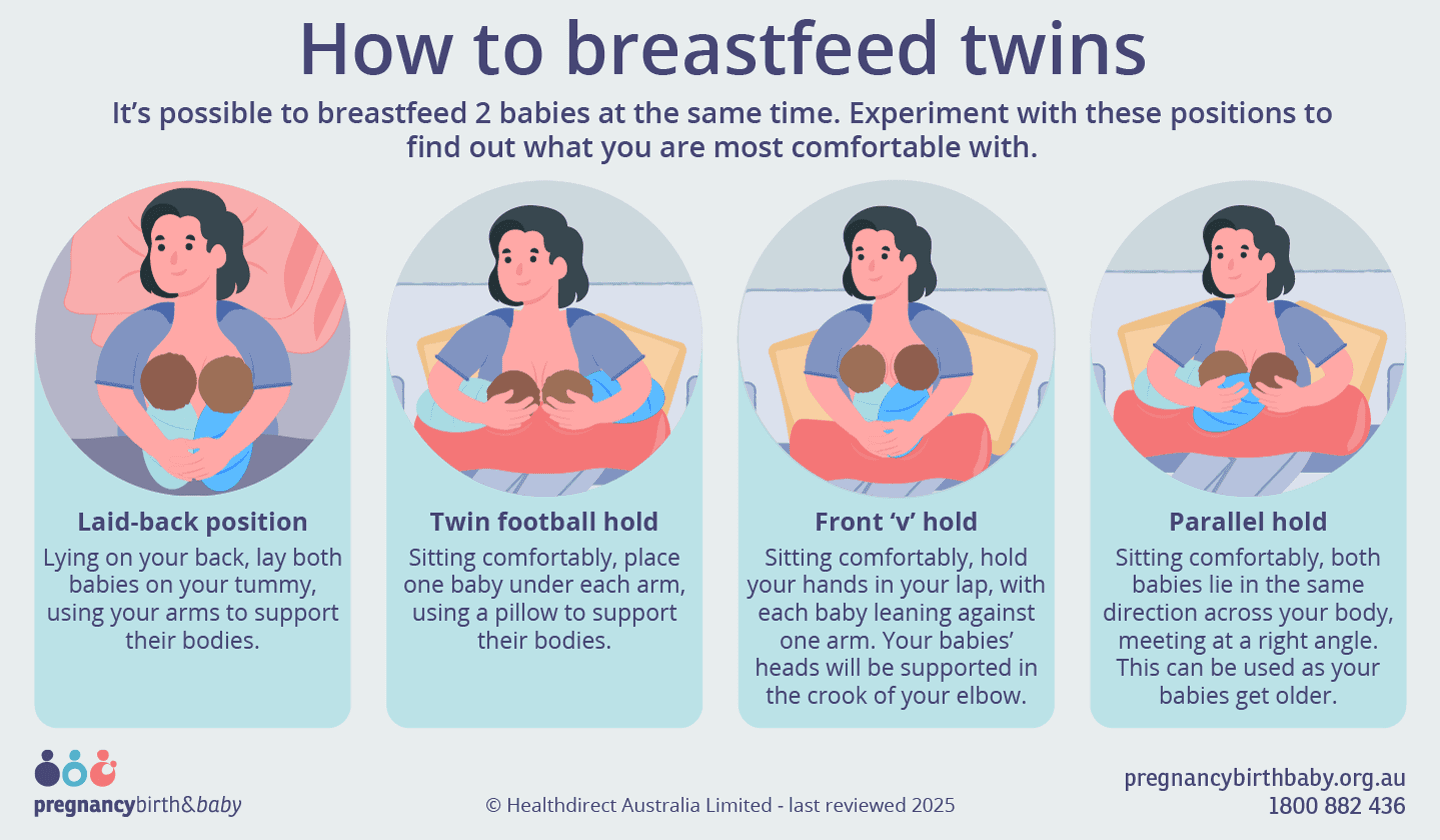
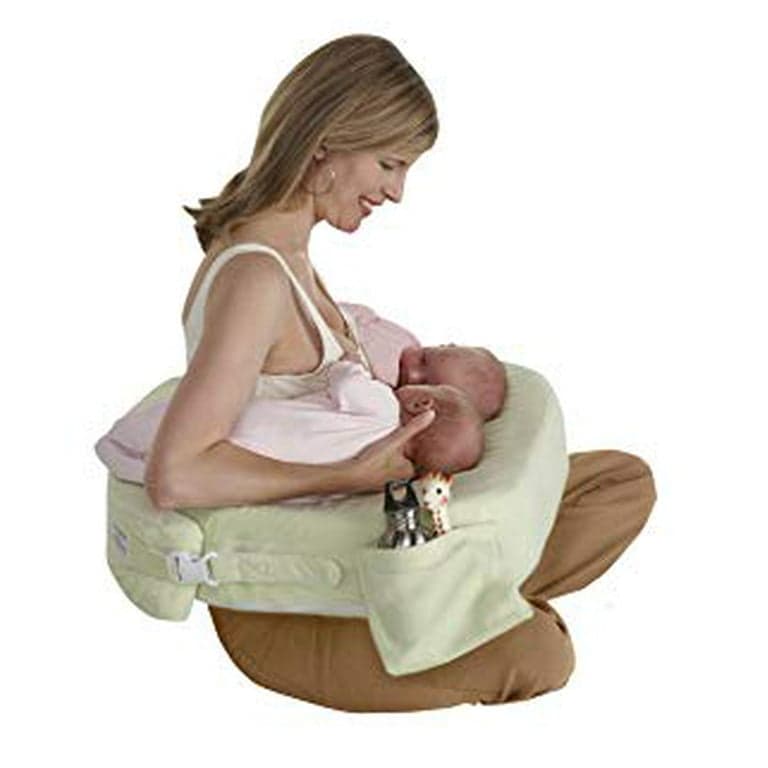
Both babies on the breast at the same time, using a twin-shaped nursing pillow. Possible. Many twin parents do this. But it requires good supply, a willing latch from both, and a partner or helper for the early weeks.
- Pros: cheap, fast (~30 min for both), nighttime convenient.
- Cons: harder to share feeds with a partner; supply pressure is real with two babies.
- Realistic for: parents with strong supply, hands-on partner, and ability to nap during the day.
2. Breast plus pump-and-bottle
One baby on the breast, the other on a pumped-milk bottle, alternating between feeds. This is what many twin parents end up doing for months 0–3.
- Pros: each baby gets breast milk, the partner can take half the feeds.
- Cons: the pumping schedule becomes a second job. Every breast feed is followed by a pump session for the next bottle.
- Realistic for: parents with a partner sharing feeds, willing to pump 6+ times a day.
3. Combination feeding (breast + formula)
Some breastfeeds, some formula bottles. Often: breast during the day, formula at night for longer sleep stretches.
- Pros: flexible, sustainable, partner can do nights.
- Cons: supply can decline faster; some babies prefer the bottle and start rejecting the breast.
- Realistic for: most twin parents. This is the most common pattern after week 4, by a large margin.
4. Exclusive formula
Both babies on formula, no breast or pump. Some twin parents start here; others land here after weeks of trying. Either path is fine.
- Pros: predictable, partner-shareable, no pumping logistics.
- Cons: cost ($200–$400/month for two), bottle prep at scale.
- Realistic for: any twin parent who chooses it. There is no medal for breastfeeding through misery.
What actually decides the answer#
The pattern doesn't usually come from your initial intent. It comes from these variables, often within the first three weeks:
Milk supply
Twin pregnancy tends to produce more milk because the body responds to demand, but supply isn't guaranteed. If by week 2 your supply is below ~80% of demand, you'll need to supplement. This is biology, not failure.
Sleep math
Each pump session is 20–30 minutes. If you're pumping 6 times a day on top of feeds, you have less sleep than the formula-feeding parent next door. Honestly account for this. The "best" milk has zero benefit if the parent collapses.
Partner availability
If your partner is home for two weeks of leave then back to a 9-to-5, the math shifts at the end of week 2. Plan for the post-leave reality, not the leave window.
NICU time
If your twins were in NICU, you may have started exclusively pumping, which biases toward bottle feeding. Some parents transition back to the breast at home; many find the bottle pattern is now set. Both outcomes are fine.
The first 14 days are not the answer#
It is normal to fail at breastfeeding in week 1. Latch is hard. Supply takes 5–10 days to establish. Both babies are usually slow to coordinate.
Twin parents who give up in week 1 because "it isn't working" are often abandoning a process that takes 2–3 weeks to even start. If you can hang on through week 3 with a lactation consultant's help, you have meaningfully more options later.
Conversely: if at week 3 it still isn't working, give yourself permission to switch. The cost-benefit calculus has shifted.
Gear that actually matters#
- For tandem feeds: a twin-shaped nursing pillow is essential, not optional. Twin Z and My Brest Friend Twins are the two main options.
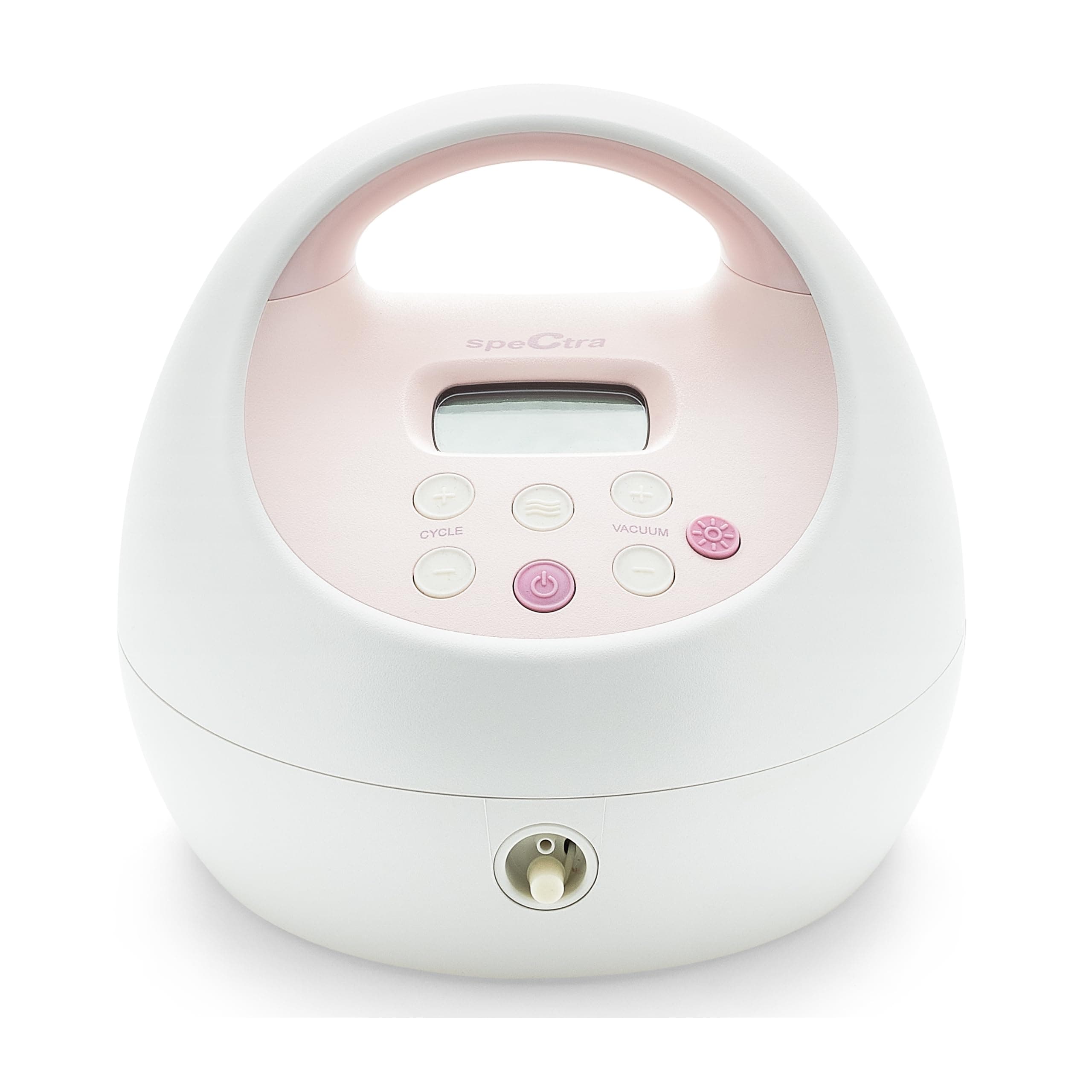
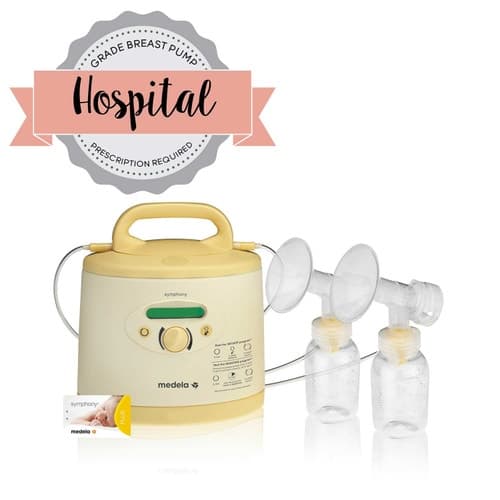
- For pumping: a hospital-grade or strong consumer double pump (Spectra S1/S2, Medela Symphony rental, Ardo Calypso). Wearable single pumps (Elvie, Willow) are luxury items, not workhorses for twin pumping.
- For bottles: standardize on one type to minimize cleaning. Comotomo, Dr. Brown, and MAM all work; pick one and buy 8.
The pattern that doesn't work#
One pattern that consistently fails for twin parents: trying to do exclusive breastfeeding at the breast, every two hours, alone, with no help, while the partner works full-time.
This isn't a personal failure. It's structurally untenable. If this is your situation, the realistic options are:
- Combination feeding (breast + formula at night).
- Pumping and bottle-feeding so the partner can share night feeds.
- Hiring postpartum help for the first month.
Pick whichever is least stressful. There is no "right" twin feeding pattern. There is only the one you can sustain.
Related reading#
Mentioned in this guide
Featured picks

Some buy links earn us a small cut, at no extra cost to you. We still recommend skipping plenty of things, so it balances out.
FAQ
- Can you breastfeed twins exclusively?
- Yes, many twin parents do, tandem-feeding both at once on a twin-shaped pillow. It requires good supply, a willing latch from both babies, and a partner or helper in the early weeks. It is also not the most common outcome: most twin families land on combination feeding after week 4, and that is fine.
- What is the most common feeding pattern for twins?
- Combination feeding: some breastfeeds, some formula bottles, often breast by day and formula at night for longer sleep stretches. It is flexible, sustainable, and lets a partner take nights. The trade-offs are that supply can decline faster and some babies start preferring the bottle.
- When should you switch feeding plans with twins?
- Not in week one. Latch is hard, supply takes 5 to 10 days to establish, and coordinating two babies takes 2 to 3 weeks. If you can hold on through week 3 with a lactation consultant, you keep your options. If it still is not working at week 3, switch without guilt. The calculus has shifted.
- What pump do you need for twins?
- A strong double electric or a hospital-grade rental. Wearable single pumps are luxury items, not workhorses, for twin volumes. Also standardize on one bottle type and buy about eight; a drawer of mixed bottle systems is a nightly cleaning puzzle you do not need.
Keep reading
Related guides
Do I Need Two
Do I Need a Twin Stroller, or Two Singles?
One twin stroller, almost always. Two singles plus an extra hand is not the answer most twin parents think it is.
Sep 11, 2026
Do I Need Two
Twin Playpens: One Big, Two Small, or Fence the Room?
Three ways to contain two mobile babies. The right choice depends on your floor plan, your budget, and how much your twins cooperate with each other.
Sep 10, 2026
Do I Need Two
Twin Feeding Pillow: Do You Need the Specialized One?
A twin nursing pillow is one of the few twin-specific products that genuinely earns its shelf space. But not everyone needs one. Here is how to decide.
Sep 10, 2026