Preemie Twins Coming Home: Sizes, the Car Seat Test, and the Gear That Changes
Preemie clothes for a month, car seats rated from 4 pounds that must pass the NICU test, and feeding gear for babies who take 30 ml at a time. The logistics list for discharge week.
What changes when your twins come home from the NICU early? Three things in the gear plan: the clothes are smaller and needed for a shorter time than you think, the car seats have to pass a test before discharge, and the feeding setup is built for babies who tire fast and take small volumes. Everything medical belongs to the NICU team and your pediatrician. This is the logistics list: what to buy, how few, and what to skip while you wait for the discharge date.
Adjusted age, and why it changes the shopping#
Preemie twins have two ages: the calendar one from the birth date, and the adjusted one counted from the original due date. The adjusted age is the one that predicts sizes, sleep, and when they'll be ready for the next piece of gear. Twins born at 32 weeks and home at six weeks old are, for gear purposes, newborns. So every month-by-month gear guide, including our own, shifts by the number of weeks early. Write the adjusted age on the fridge. Your pediatrician will track milestones against it for the first two years, and you should track sizes against it too.
Preemie clothes: how few to buy#
Preemie sizes (marked P, or up to about 5 or 6 pounds) are the shortest-lived clothes you will ever buy. Many NICU graduates come home at 4 to 5 pounds and clear preemie sizing within three to five weeks. Our count, per baby, not per pair:
- 4 to 6 preemie bodysuits. Side-snap or kimono style is easiest over a monitor lead or a feeding tube if one is still in place.
- 2 to 3 preemie footed sleepers with front zips. Zips beat snaps at 2am with a baby this small.
- 2 preemie hats and a few pairs of the smallest socks. Hats matter; small babies lose heat fast and the NICU will tell you so.
- Then stop. Buy newborn size next, not more preemie. Newborn sizing runs to about 8 pounds and covers the following two months.
Buy preemie clothes used from a multiples group or borrow them. Preemie twins are common, the clothes are worn for a month, and there is always a twin parent with a bag of them to pass on. Skip the take-home outfit sets sized newborn; they'll swim. Skip anything with a hood or a collar; the NICU nurses will show you why. Do not buy two full wardrobes in preemie; buy a small shared stack and sort by baby later.
The car seat test, and seats rated from 4 pounds#
Before discharge, most NICUs run an infant car seat test (sometimes called a car seat challenge) on any baby born early or small. The baby sits in their own car seat, the one you'll drive home in, for around 90 to 120 minutes while the team monitors heart rate, breathing, and oxygen. If a baby slumps and desaturates, the team will talk to you about a car bed or a different seat. That is the NICU's call and yours, not ours. What we can tell you is the gear side: both seats need to be at the hospital, installed correctly in your car, before the test, and the seat must be rated for the baby's discharge weight.
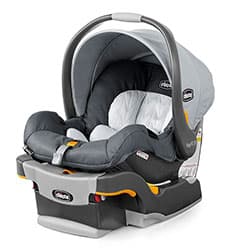
- Chicco KeyFit 30 and KeyFit 35: rated from 4 pounds, easy to install correctly, and the KeyFit is the seat NICU nurses see most often. Around $200 to $250 each.
- Graco SnugRide SnugLock 35: rated from 4 pounds, the budget pick at around $170 each. Two for the price of one premium seat.
- Britax B-Safe Gen2: rated from 4 pounds, with a compact base that fits two across a sedan.
- Nuna PIPA RX and UPPAbaby MESA V2: rated from 4 pounds with premium inserts for the smallest babies. Around $400 to $450 each; worth it if the stroller pairing matters, not for the test itself.
Use only the inserts that came with the seat. No aftermarket head supports, strap covers, or bunting between the baby and the harness; the NICU will strip them off. Get both installations checked by a certified technician before the test. With preemie twins, the seat installation is one of the few things you can control, so control it. If your twins are discharged on different days, which happens often, the seat for the baby still in the NICU stays installed and waits.
Feeding gear for small babies#
Preemies take small volumes, tire quickly, and often come home on a schedule the NICU sets in milliliters. Two of them on that schedule is a feeding operation with a clipboard. The gear that fits:
- Preemie or ultra-slow-flow nipples. Dr. Brown's Options+ bottles have a preemie flow nipple and the vent system many NICUs already use, so the babies come home on something familiar. The narrow version fits small hands and travel warmers. Six bottles total to start, not twelve; the volumes are tiny and you wash constantly anyway.
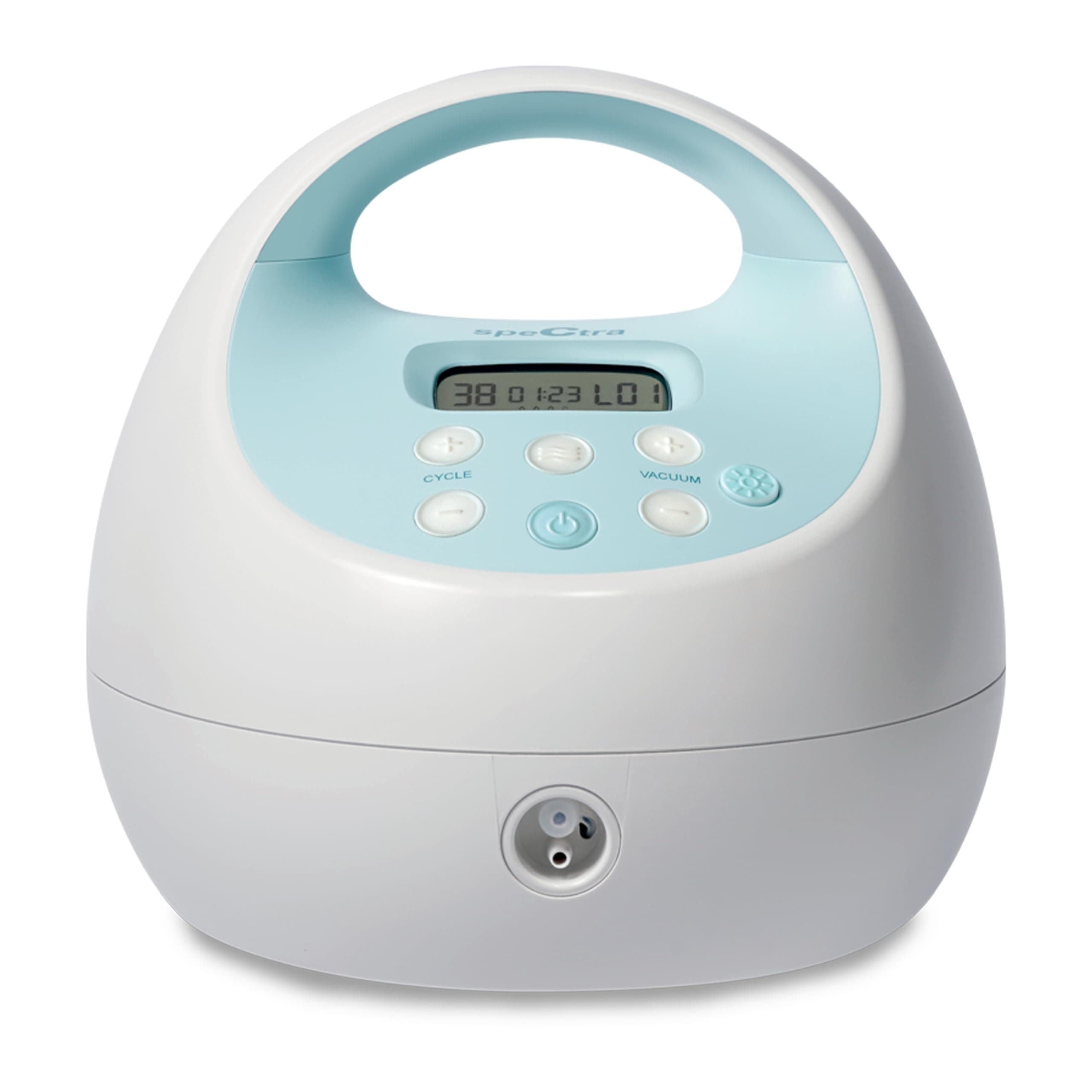
- A hospital-grade pump if you're pumping for the NICU. The Medela Symphony rental at around $70 a month is what the unit uses; a Spectra S1 Plus at around $200 is the buy-it-and-keep-it option and does the job for most parents. Ask the lactation team which one, because supply for two preemies is their specialty.
- A bottle warmer that does small volumes gently. The Philips Avent Fast Bottle Warmer handles a 30 ml bottle without cooking it.
- A twin feeding pillow, later. Small babies are usually fed one at a time with pace feeding for the first weeks home. Tandem feeding is a goal, not a day-one plan. Buy the pillow when the NICU team says both babies are feeding without tiring.
- A notebook or a whiteboard for the feed log. Volumes, times, which baby. The NICU tracked this and your pediatrician will ask. Skip the app; a whiteboard survives being dropped.
Fortified feeds, volumes, and how often to wake them: NICU team and pediatrician, every time. Do not adjust from a forum.
The rest of the home setup#
- Two bassinets, standard. Preemies do not need special sleep surfaces; they need the same safe sleep as any newborn: one baby per surface, firm and flat, nothing in the bassinet, in your room. The Halo BassiNest Flex or an Ikea Sniglar cradle works; small babies look lost in any of them.
- A thermometer the pediatrician will trust. A rectal thermometer like the Haaka silicone one is what most practices ask for in small babies. The forehead scanners are for later.
- Warm layers, not warm rooms. A swaddle or a sleep sack sized to the baby, and a hat indoors if the NICU suggests it. Check the swaddling guidance with the unit before you go home.
- Skip the visitor plan for now. Preemie twins often come home with instructions about germs and crowds that run for months. A bottle of hand sanitizer by the door is the cheapest piece of gear on this list and the most used.
What we'd do#
Buy two Chicco KeyFit 30s or two SnugRide 35s the week the NICU mentions discharge, get both installs checked, and bring them in for the test. Borrow a bag of preemie clothes and buy six preemie bodysuits and three zip sleepers per baby, then stop. Start with six Dr. Brown's bottles on preemie nipples, rent the Symphony if the lactation team says so, and put a whiteboard on the fridge with the adjusted age at the top. Everything else waits until both babies are home and someone has slept.
Related reading#
The verdicts behind this guide
Mentioned in this guide
Featured picks


Some buy links earn us a small cut, at no extra cost to you. We still recommend skipping plenty of things, so it balances out.
FAQ
- How many preemie clothes do twins need?
- Very few. Per baby: 4 to 6 preemie bodysuits, 2 to 3 zip-front footed sleepers, 2 hats, and a few pairs of tiny socks. Most NICU graduates clear preemie sizing within three to five weeks, so borrow or buy used from a multiples group, then move to newborn size.
- What is the infant car seat test in the NICU?
- A monitored session, usually 90 to 120 minutes, where each baby sits in their own car seat while the team watches heart rate, breathing, and oxygen. It is run on babies born early or small. Bring both seats, installed and checked, before the test. If a baby struggles, the NICU will discuss options with you.
- Which infant car seats fit preemie twins?
- Seats rated from 4 pounds with the manufacturer's own newborn inserts. The Chicco KeyFit 30 and 35, Graco SnugRide SnugLock 35, Britax B-Safe Gen2, Nuna PIPA RX, and UPPAbaby MESA V2 all start at 4 pounds. No aftermarket inserts or padding; the NICU will remove them.
- What feeding gear do preemie twins need at home?
- Preemie or ultra-slow-flow nipples (Dr. Brown's Options+ has them), about six small bottles, a warmer that handles 30 ml gently, and a pump if you're expressing, either a rented Medela Symphony or a Spectra S1 Plus. Volumes, fortification, and wake schedules come from the NICU team and your pediatrician, not from us.
Keep reading
Related guides
Gear Guides
UPPAbaby Vista V2 vs Baby Jogger City Select 2 for Twins
Both are inline twin strollers that clear an apartment door. The Vista is nicer to push, fold, and resell. The City Select 2 gives twins two equal seats for less money.
Sep 12, 2026
Gear Guides
Best Twin Bassinets for a Shared Bedroom
Bedside bassinets, dual bassinets, and what fits when you and the babies share a room for the first six months.
Sep 12, 2026
Gear Guides
Bugaboo Donkey 5 Twin vs UPPAbaby Vista V2: Side-by-Side or Inline
The Donkey puts twins next to each other in equal seats at about 28 inches wide. The Vista stacks them at about 26 inches for far less money. Doorways and budget decide it.
Sep 11, 2026