Twins in Your Bedroom for Six Months: The Small-Space Room-Share Setup
Two bassinets, one queen bed, a room that was already full. The layouts that fit, the compact bassinets that work, and the night setup that keeps you out of the hallway.
Do two bassinets fit in a small bedroom with a queen bed and two adults? Usually yes, and usually with about eight inches to spare on each side, so the layout matters more than the square footage. The AAP recommends room-sharing without bed-sharing for at least the first six months, which with twins means two sleep surfaces, one baby each, in a room that was already full of your own furniture. Here is the layout that works in a 10 by 11 foot bedroom, the gear that fits it, and the point where we'd give up and move them.
The three layouts that actually fit#
- Flanking: one bassinet on each side of the bed. Each parent has a baby within arm's reach, night feeds split naturally, and neither parent climbs over the other. Needs about 22 inches of clearance on both sides of the bed. The default if your bed isn't pushed against a wall.
- Foot of the bed, side by side: two compact bassinets end to end across the foot of the bed. Works when the bed is against a wall. Downside: whoever is on duty walks around the bed every time, and both babies wake to the same footsteps.
- One bedside sleeper plus one standalone: a bedside sleeper (the kind that drops a side wall to sit flush with the mattress) on the on-duty parent's side, and a standalone bassinet at the foot or in a corner. Good when one twin is the lighter sleeper or the smaller feeder who needs more overnight attention.
Measure before you buy. Bassinet footprints range from about 18 by 33 inches for the compact ones to roughly 30 by 36 inches for the swivel models. Two of the big ones in a small room means you sidle to the bathroom for six months.
Two bassinets that fit small rooms#
- Halo BassiNest Flex, around $200 each: the compact Halo. Slimmer base than the Swivel, still the lowering side wall that lets you reach in without sitting up. Two of these flanking a queen bed is the setup we'd copy.
- Mika Micky Bedside Sleeper, around $120 each: budget bedside sleeper that straps to the bed frame and also stands alone. Two cost less than one premium bassinet.
- Ikea Sniglar cradle, around $60 each: the cheapest safe pair. Basic wood cradle, small footprint, no features. Fine if your babies are average sleepers and you're not chasing gadgets.
- Chicco LullaGo Anywhere, around $180 each: light enough to carry to the living room for daytime naps, which matters when the bedroom is the only quiet room in the apartment.
Skip the twin-branded side-by-side bassinets for a shared bedroom. They are wide, the babies wake each other more, and you cannot split them when one gets a cold. Skip the Snoo pair here too unless someone else is paying: two of them fill a small bedroom, and the rental math only works for parents who genuinely cannot function without it.
Noise: two babies, two adults, one room#
The thing nobody warns you about is not the crying. It is the grunting. Newborns are loud sleepers, and two of them in a small room produce a constant soundtrack of snorts, squeaks, and startle reflexes that will keep a light-sleeping parent awake even when both babies are fine. Three fixes, in order of cost:
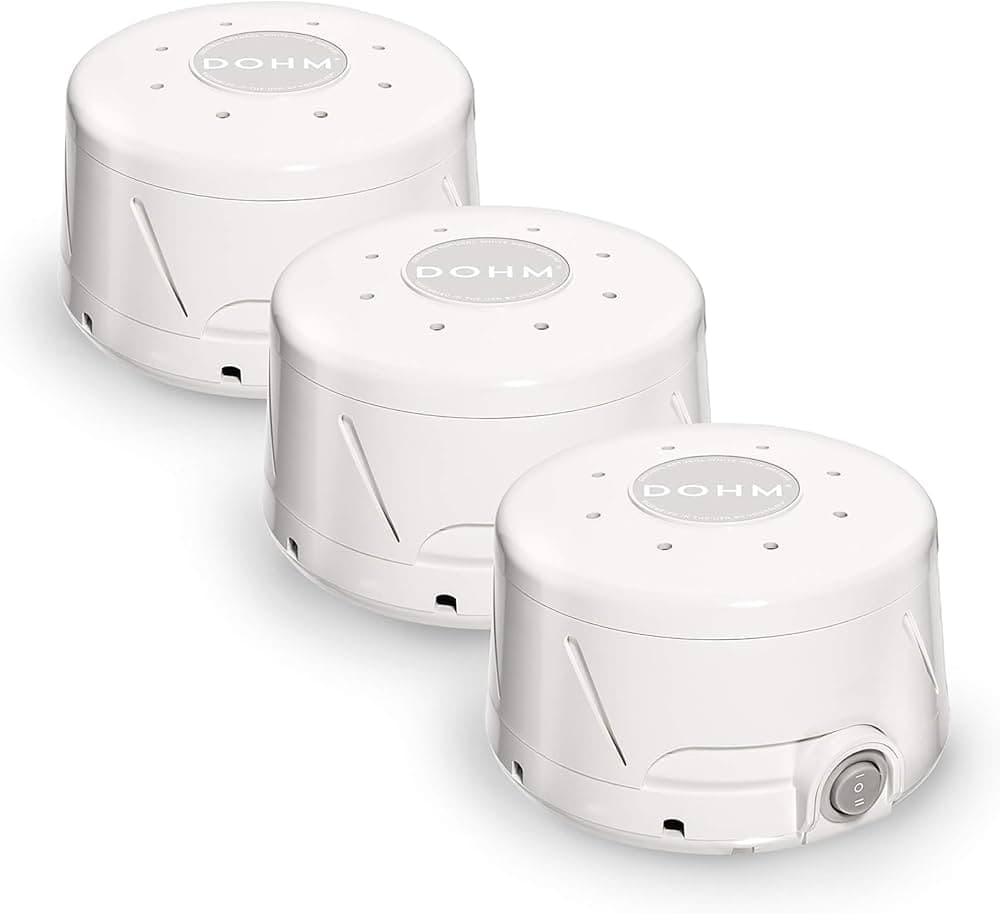
- A white noise machine on the floor between the bassinets, running all night. The Yogasleep Dohm is the boring, reliable choice. One is enough for a small room; you do not need two.
- Foam earplugs for the off-duty parent. Yes, in the same room. The on-duty parent hears everything anyway.
- A partner shift system where the off-duty parent sleeps somewhere else for their protected block. The couch beats a broken night, and the bedroom then only has to sleep one adult at a time.
You do not need a video monitor for babies six feet from your pillow. If you want one for daytime naps or for when they move rooms later, buy the two-camera system then, not now.
The feed station in the bedroom#
Night feeds happen in this room, so the room needs a feed setup or you will be doing the hallway shuffle with two hungry babies at 3am. Our list:
- A small table or nightstand on the on-duty side with a dim lamp, a water bottle, and the twin feeding pillow parked upright against the wall.
- For bottle feeders: a small cooler with the night's pre-made bottles and a warmer on the nightstand. The Philips Avent Fast Bottle Warmer heats in about three minutes, which is exactly the time it takes to change the other baby.
- A portable changing pad (Skip Hop Pronto or similar) on top of the dresser, with ten diapers and a wipes tub. Nobody walks to the nursery at night.
- A laundry basket by the door. Two babies means roughly one onesie change per night between them. It goes in the basket, not on the floor.
When it stops working#
Most twin parents we know made it to somewhere between four and six months in the shared room before one of three things ended it: a baby outgrew the bassinet weight limit (commonly 15 to 20 pounds, check yours), a baby started rolling, or the parents realized nobody was sleeping and moved the babies to cribs in the nursery with a monitor. All three are fine reasons. Six months is a recommendation, not a contract. If one twin outgrows the bassinet at four months and the other doesn't, move both: two cribs in the nursery and one monitor is easier than one baby in each room.
What we'd do#
Two Halo BassiNest Flex flanking the bed if the budget allows, two Ikea Sniglars if it doesn't, one Dohm on the floor, earplugs on the off-duty nightstand, a warmer and ten diapers within arm's reach. Plan for the move to cribs around month five rather than treating six months as a finish line. And push the bed against the wall now, before you're doing it at midnight with a baby on each hip.
Related reading#
The verdicts behind this guide
Mentioned in this guide
Featured picks



Some buy links earn us a small cut, at no extra cost to you. We still recommend skipping plenty of things, so it balances out.
FAQ
- Can twins share one bassinet in the parents' room?
- No. Safe sleep is one baby per sleep surface, on a firm flat mattress with nothing else in it. Two compact bassinets fit a small bedroom better than one wide twin bassinet anyway, and you can move one out the night a baby gets a cold. The Halo BassiNest Flex and the Ikea Sniglar cradle are the two footprints we'd measure for first.
- How long should twins room-share with parents?
- The AAP recommends room-sharing without bed-sharing for at least the first six months. In practice most twin parents we know moved both babies to cribs somewhere between four and six months, when one twin outgrew the bassinet or started rolling. Move both at once; one baby in each room is harder than two cribs and one monitor.
- Do we need a baby monitor if the twins sleep in our room?
- Not for the bedroom. Two babies six feet from your pillow do not need a camera. Buy the two-camera system when they move to the nursery, and use a single white noise machine on the floor between the bassinets in the meantime. Earplugs for the off-duty parent do more for sleep than any monitor.
Keep reading
Related guides
Survival
Should Twins Be in the Same Class or Separate? What the Research Says
Every twin parent faces this question by age 4 or 5. Schools often have a default policy. The research says the answer depends on your specific twins, not a blanket rule.
Sep 11, 2026
Survival
Twin Childcare: Daycare vs Nanny vs Nanny Share vs Au Pair
Childcare is the single largest twin expense. Here is what each option actually costs, when each makes sense, and the hidden costs most guides skip.
Sep 11, 2026
Survival
NICU Survival Guide for Twin Parents
About half of twins spend time in the NICU. It is scary, it is common, and it usually ends well. Here is what to expect, what to pack, and how to get through it.
Sep 11, 2026