When to Move Twins From Bassinets to Cribs (and Whether to Do Both at Once)
Twins usually outgrow bassinets between 3 and 5 months, and rarely on the same day. How to read the signals, whether to move both, and the two-crib gear that has to be ready first.
When do twins move from bassinets to cribs? Short answer: when the first one hits a bassinet limit, which is usually somewhere between 3 and 5 months, and you should plan on moving both within the same week even if only one of them forced the issue. The longer answer covers what those limits are, why one baby always gets there first, and where two cribs go when the babies are still supposed to be sleeping in your room.
The signals, in the order they usually show up#
Bassinets are small on purpose. The limits arrive fast with twins because you are watching two babies grow at once, and one of them is almost always bigger, rollier, or louder. Any one of these ends the bassinet:
- Rolling, or trying to. Once a baby can roll from back to side, most bassinets are done. Check the manual for the exact rule, but the manufacturers all say some version of this.
- Pushing up on hands and knees. Same logic. A baby who can push up can lever a shoulder over a low bassinet wall.
- The weight limit. Check your manual; many bassinets top out somewhere around 15 to 20 pounds. Twins often arrive small and then grow quickly, so a baby who was 5 pounds at birth can hit the limit earlier than you expect.
- Length. If a baby's head and feet are both touching fabric, the bassinet is done regardless of weight.
- The wobble. Some bassinets get unstable with a bigger, more active baby. If it rocks when the baby kicks, retire it.
One twin will hit one of these first. In our experience the gap is anywhere from a few days to a month. That gap is the entire twin-specific question.
Move both at once, or one at a time#
Our verdict: move both within the same week, and preferably the same night. The reasons:
- Two sleep setups in two rooms means two bedtime routines and two places to check at 3am. You did not sign up for that. Consolidating the sleep space is worth a few rougher nights.
- The smaller twin is usually two to four weeks behind on the same milestones. Moving them a little early costs nothing safety-wise, because a properly set up crib is a safe sleep surface from day one.
- Naps in cribs are the bridge. Put both babies down for daytime naps in the cribs for three to five days before the first night. They learn the space while you are awake enough to cope.
- The exception is a baby who is still very small or came home from the NICU with specific sleep instructions. Ask your pediatrician before changing anything for that baby.
Staggering by a night or two is fine if one baby is clearly not ready and you have the setup for it. Staggering by a month is a logistics tax you pay every single night.
The room-sharing problem nobody warns you about#
The AAP recommends room-sharing without bed-sharing for at least the first six months. Bassinets fit that guidance because they fit next to a bed. Full-size cribs mostly do not. So the transition question is really a floor-plan question: if your twins outgrow their bassinets at four months, where do two cribs go for the next two months?
- Two full-size cribs in the parents' bedroom. Works in a large bedroom, and nowhere else. Measure before you order. A standard crib needs roughly 55 by 30 inches of floor, times two, plus enough room to reach both without climbing over the bed.
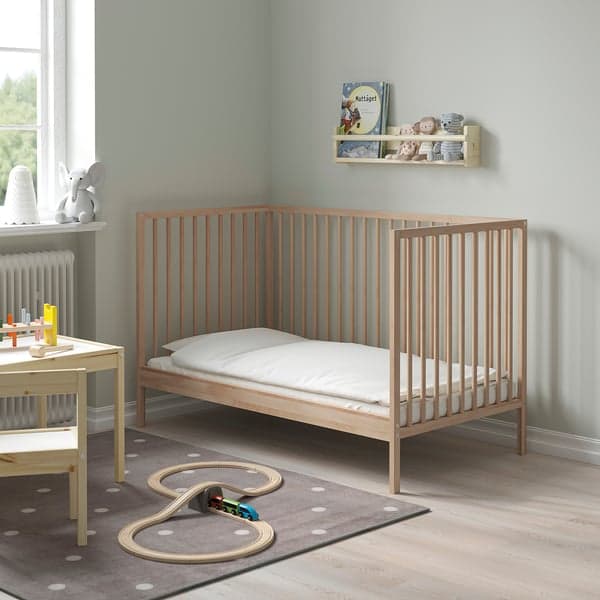
- Two compact cribs in the bedroom. The Ikea Sniglar at around $80 each is the smallest full-function crib we know, and two of them fit where one big convertible crib would. Cheap, sturdy, and easy to sell later.
- Parents move to the nursery. Some twin parents put both cribs in the nursery and move a mattress for themselves onto the nursery floor until six months. Not glamorous, but it satisfies the guidance and keeps one room for sleep.
- Move the cribs to the nursery early. Some families do this before six months. That is a decision to make with your pediatrician, not with us.
If the bedroom is the constraint, our small-space room-share guide has the layouts that fit two sleep surfaces next to a queen bed.
Gear that has to exist before the first crib night#
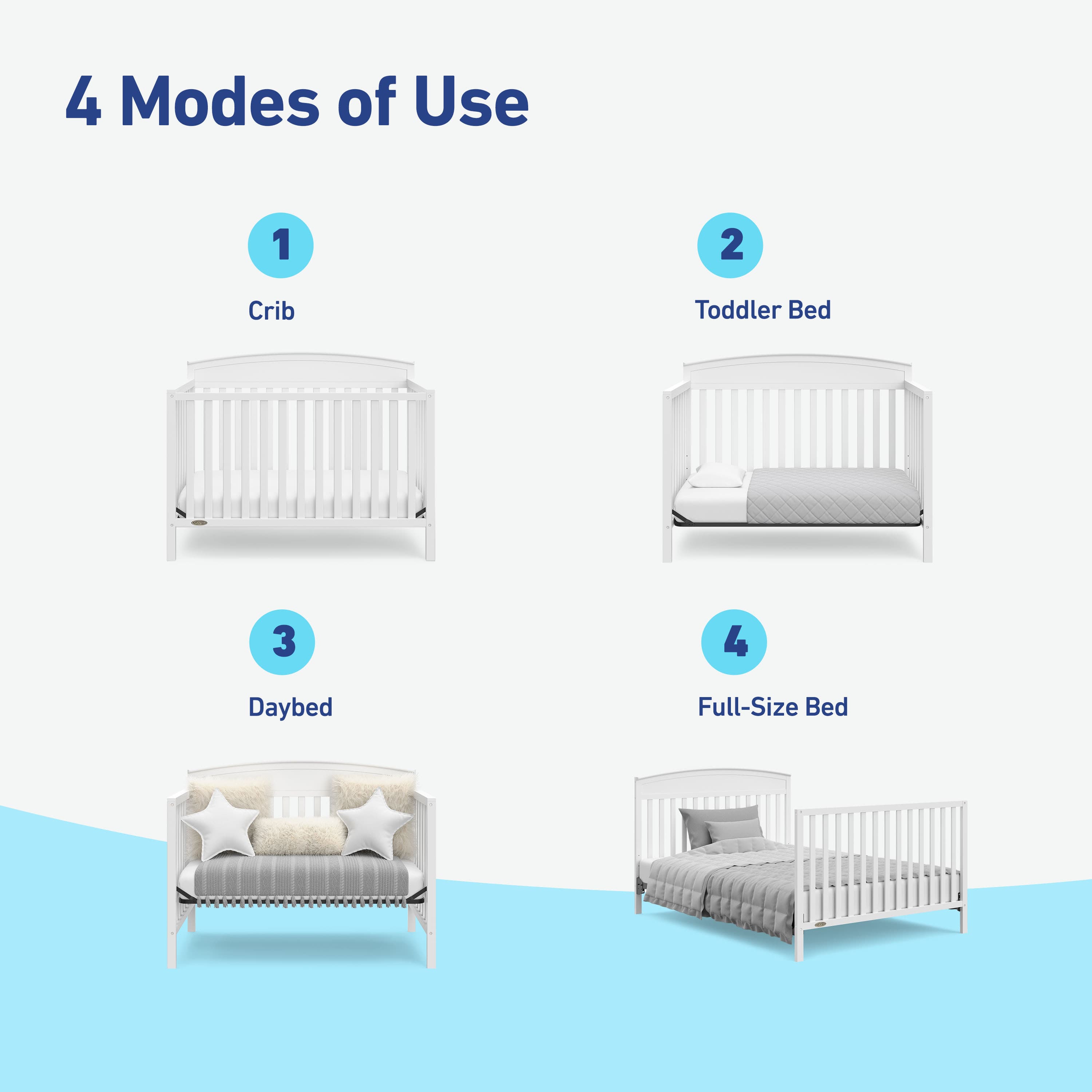
- Two cribs. One baby per sleep surface, always. A shared crib is not a twin hack, it is a rule you are breaking. Convertible cribs like the Graco Benton 4-in-1 at around $200 each or the DaVinci Kalani at around $250 each turn into toddler beds later, which matters when you are doing that transition times two.
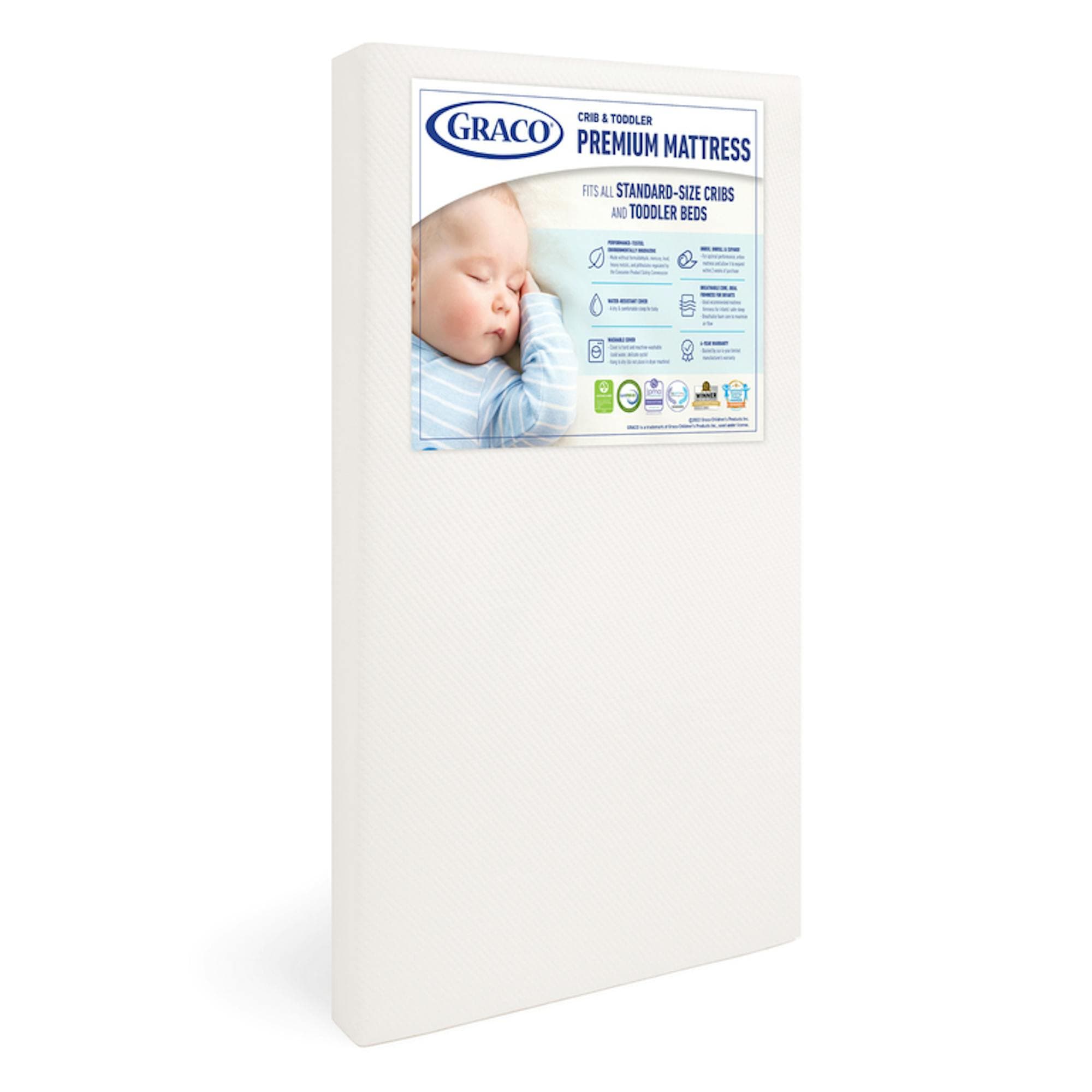
- Two new mattresses. Used crib mattresses are advised against, so this is one of the few things we will not tell you to buy secondhand. The Graco Premium Foam at around $70 each is fine. The Newton at around $300 each is a nice-to-have, not a need.
- Two fitted sheets per crib, minimum, and nothing else in the crib. No bumpers, no pillows, no blankets, no positioners. A firm, flat, empty surface.
- Sleep sacks instead of blankets. Two Halo SleepSack Cotton at around $25 each, or the swaddle version if they are still swaddled and not yet rolling. Once either baby shows signs of rolling, both arms come out. Do the second baby the same night, because you will not remember to check.
- White noise, one machine placed between the cribs. The Yogasleep Dohm at around $50 is the one we would reach for. Two cribs in one room means one baby's stirring is closer to the other's ear than it was in bassinets on either side of your bed.
The first week, honestly#
Expect two or three nights of more waking, not because cribs are worse but because everything is new and the babies can now hear each other clearly. Keep the bedtime routine identical to the bassinet one. Same sleep sacks, same sound, same order of operations. If one baby settles and the other does not, resist the urge to move the settled one back to the bassinet. Two setups is how you end up doing this transition twice.
If one baby is consistently waking the other, pull the cribs to opposite walls before doing anything more dramatic. Distance and white noise solve more of this than parents expect. Our one-wakes-the-other guide covers the rest.
What we'd do#
Retire both bassinets the week the first twin hits a limit. Run naps in the cribs for a few days first, then move both on the same night. Buy the cribs and two new mattresses before the babies are three months old so the decision is about timing, not shipping. And if the cribs cannot fit in your room before six months, solve the floor plan with two small cribs or a parent mattress on the nursery floor rather than splitting the twins across rooms.
Related reading#
The verdicts behind this guide
Mentioned in this guide
Featured picks


Some buy links earn us a small cut, at no extra cost to you. We still recommend skipping plenty of things, so it balances out.
FAQ
- Should twins move from bassinets to cribs at the same time?
- Yes, within the same week and ideally the same night. One twin usually hits a bassinet limit (rolling, pushing up, the weight limit) a few days to a month before the other. Running two sleep setups across that gap means two routines and two rooms to check at 3am. Run naps in the cribs for a few days, then move both together.
- Can twins share one crib after they outgrow bassinets?
- No. One baby per sleep surface is the rule, so twins need two cribs and two new mattresses. Used crib mattresses are advised against, which makes mattresses one of the few twin items we would never buy secondhand. If space is tight, two compact cribs like the Ikea Sniglar fit where one large convertible crib would.
- Where do two cribs go if twins outgrow bassinets before six months?
- The AAP recommends room-sharing without bed-sharing for at least the first six months, so the honest options are two compact cribs in the parents' bedroom, or the parents sleeping on a mattress in the nursery until six months. Moving the cribs out earlier is a conversation to have with your pediatrician, not a default.
- What signs mean a twin has outgrown the bassinet?
- Rolling or trying to roll, pushing up on hands and knees, hitting the weight limit in the manual (often somewhere around 15 to 20 pounds), head and feet both touching fabric, or the bassinet wobbling when the baby kicks. Any one of them retires the bassinet for that baby, and in our experience the other twin follows within a month.
Keep reading
Related guides
Survival
Should Twins Be in the Same Class or Separate? What the Research Says
Every twin parent faces this question by age 4 or 5. Schools often have a default policy. The research says the answer depends on your specific twins, not a blanket rule.
Sep 11, 2026
Survival
Twin Childcare: Daycare vs Nanny vs Nanny Share vs Au Pair
Childcare is the single largest twin expense. Here is what each option actually costs, when each makes sense, and the hidden costs most guides skip.
Sep 11, 2026
Survival
NICU Survival Guide for Twin Parents
About half of twins spend time in the NICU. It is scary, it is common, and it usually ends well. Here is what to expect, what to pack, and how to get through it.
Sep 11, 2026