Weaning Twins Off Bottles: Two Timelines or One
One timeline, staggered by a week at most. When to start weaning twins off bottles, which bottle to drop first, and how to handle the bedtime bottle when they share a room.
Do you wean twins off bottles together or one at a time? Short answer: together, on one timeline, with a one-week stagger allowed if one twin is clearly not there yet. Two separate weaning projects means two sets of bedtime negotiations, two cup experiments, and a cabinet with twelve bottles still in rotation at 20 months. One timeline is less work and, in our experience, less crying, because neither twin gets to watch the other keep the thing they just lost.
When to start#
Most pediatricians suggest starting the switch to cups around 12 months and being done with bottles somewhere between 12 and 18 months. Check with yours, especially if your twins were early or small and you're tracking corrected age. The reason for the window is boring and real: long bottle use is linked to dental problems and to filling up on milk instead of food. With twins there's a bonus reason. The daily bottle count (bottles, nipples, collars, vents, the drying rack that never empties) is the last big chore from the newborn era, and retiring it gives you back twenty minutes a day.
Two signs they're ready: they're eating three real meals plus snacks, and they can drink water from a straw or an open cup without most of it going down the front. If only one twin ticks both boxes, start anyway. The second twin usually catches up within days once the cup is the only thing on the table.
One timeline or two#
- One timeline, same day, same order. Our default. Both twins lose the same bottle at the same feed. It's simpler to run, and it removes the fairness problem where one toddler drinks from a cup while watching the other get a bottle.
- One timeline with a one-week stagger. Use this if one twin refuses every cup and the other is fine. Start the willing twin first, keep the holdout on the bottle for one more week, then switch. Not longer. A week of watching a sibling manage with a cup is the best cup training we know.
- Two separate timelines, months apart. We'd avoid this. It doubles the length of the project and keeps bottles in the house, which keeps them in the argument. The only exception is a medical one (a twin with a feeding plan from a specialist), and then your team sets the timeline, not us.
The order to drop bottles#
Drop the bottle they care about least first and the one they care about most last. For most twins that means:
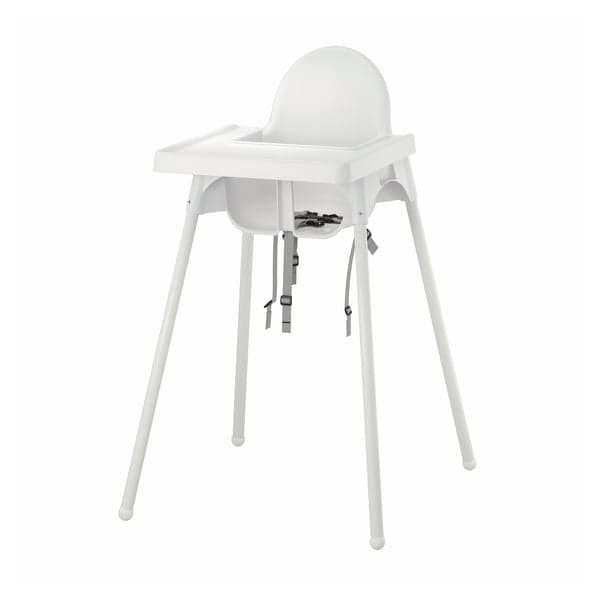
- Midday bottles first. These are already half-replaced by lunch. Swap the bottle for milk in a straw cup at the table, in the high chairs, at the same time. Two Ikea Antilop chairs side by side make this a two-minute job instead of a lap-by-lap one.
- Morning bottle second. Breakfast first, then milk in a cup. If they wake up shouting for it, bring them straight to the table instead of the couch. The location is half the habit.
- Bedtime bottle last, and give it two weeks on its own. This is the one tied to sleep, and with twins sharing a room it's the one that can wreck a night for both of them. Move the milk earlier (cup, at the table, before bath) so the bottle isn't the last thing before the crib.
Between steps, wait until the previous drop is boring, usually four to seven days. The whole thing runs three to four weeks. That's normal. Faster is possible, but faster with two toddlers in one bedroom is a gamble on everyone's sleep.
The cup question#
You do not need a special weaning system, and you certainly don't need a twin-branded one. What works:
- Straw cups for milk. Easier than open cups at the walking-around age and less mess in a stroller. Buy the same cup in two colors and stick to the colors. It ends the swap fights and lets you track who drank what.
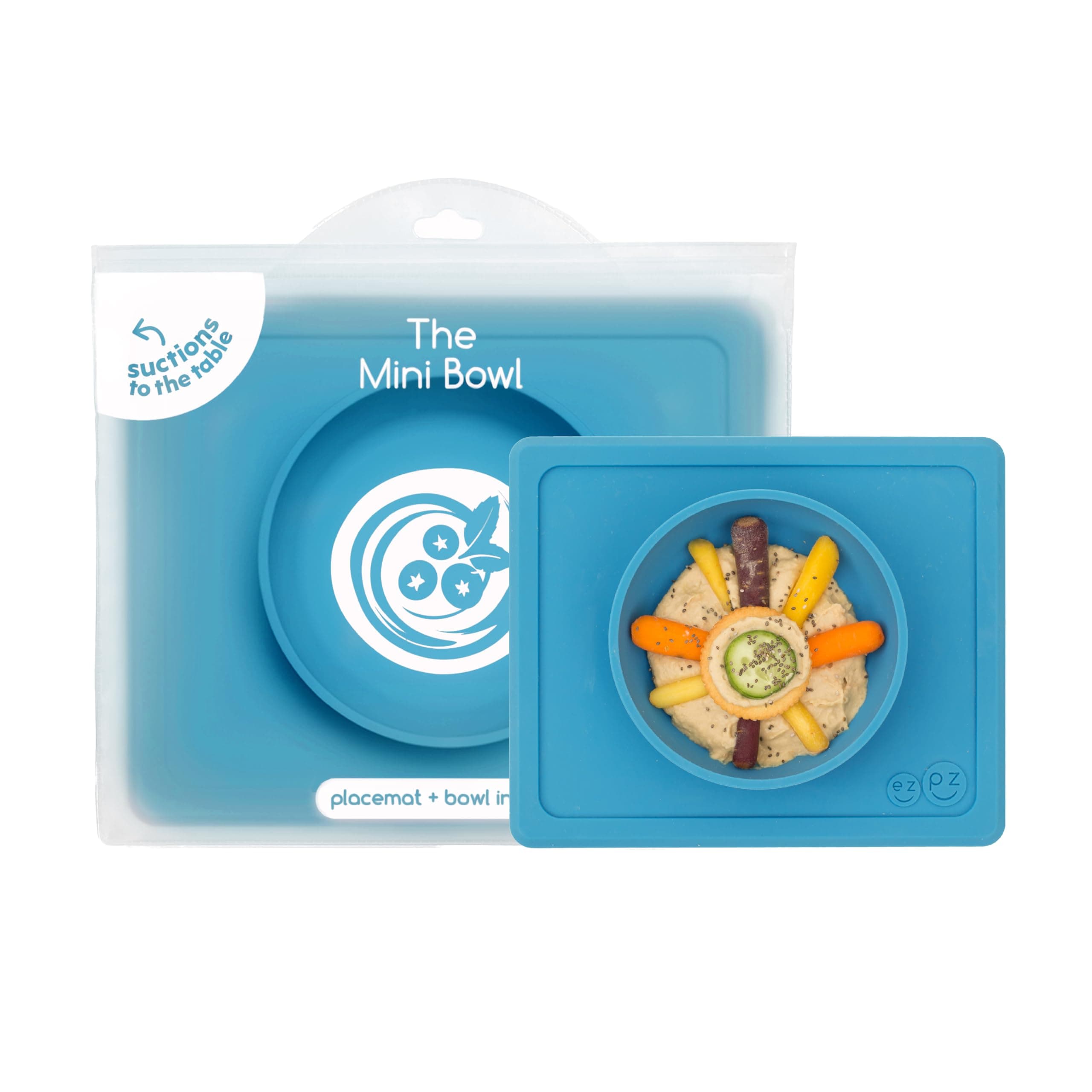
- Open cups at the table, small ones, from about 9 months if you haven't started. A few tablespoons of water at a time. Expect spills, and put an EZPZ Mini Mat or any suction mat under each twin so the cup has a home.
- Do not make hard-spout sippy cups the plan. They're a bottle with a different hat. Fine as a bridge for a week, not as the destination.
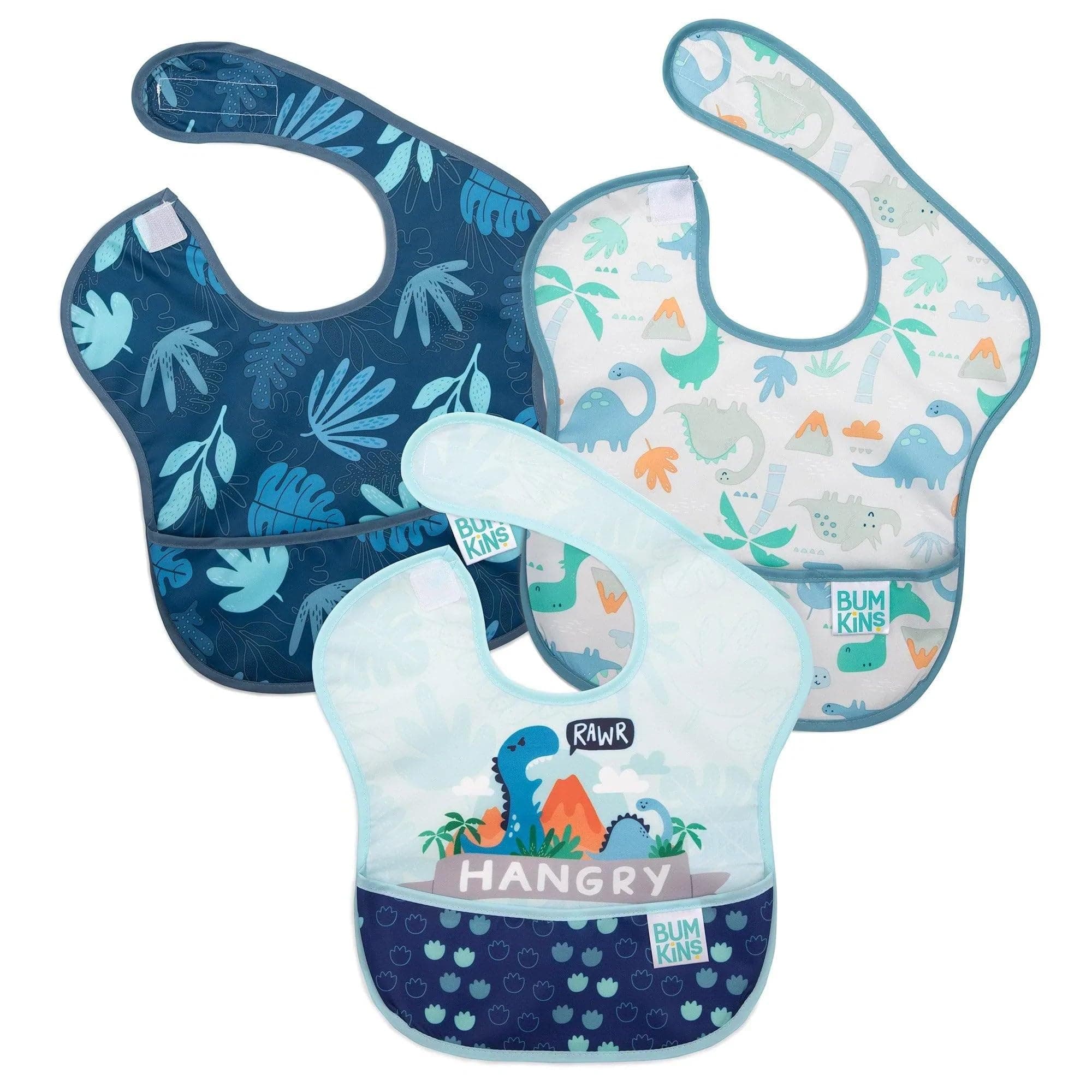
- Bibs go back on. A Bumkins SuperBib per twin for milk meals, because milk down a shirt at 7am is a full outfit change, twice.
The bedtime bottle in a shared room#
Here's the twin-specific part. If both toddlers use the bedtime bottle to fall asleep, removing it changes the bedtime routine for two people who sleep three feet apart. Our approach:
- Replace, don't remove. The bottle becomes a cup of milk at the table, then bath, then books in the room, then lights out. The routine gets five minutes longer and keeps its shape.
- Do both twins the same night. Staggering the bedtime bottle is the one stagger that backfires, because the twin without the bottle can hear the twin with it.
- Expect two or three rough nights, not two or three weeks. If you're past a week of protest, something else is going on (teeth, a cold, a nap that ran late). Check with your pediatrician if you're not sure.
- Water in a straw cup in the crib is fine once they can hold it. Milk in the crib is not, for the teeth reason above.
What to do with twelve bottles#
Bottles have no resale value and most parents won't take them used, so don't bother listing them. Keep two for medicine or travel emergencies, recycle the rest wherever your city takes the plastic, and reclaim the cabinet. The Dr. Brown's vents and the bottle brush go in the same bag. The drying rack, if it's a Boon Lawn or similar, has a second life for cups and suction mats.
What we'd do#
Start at 12 months, run one timeline, allow one week of stagger at most, and drop midday, then morning, then bedtime. Buy two straw cups in two colors and nothing else. Do the bedtime bottle for both twins on the same night and plan for three bad nights. Then take the bottles out of the house. Twins mean two of everything for a long time; this is the first thing you get to stop doing twice.
Related reading#
The verdicts behind this guide
Mentioned in this guide
Featured picks

Some buy links earn us a small cut, at no extra cost to you. We still recommend skipping plenty of things, so it balances out.
FAQ
- Should twins be weaned off bottles at the same time?
- Yes, on one timeline. Both twins drop the same bottle at the same feed, so neither one watches the other keep it. If one twin refuses every cup, start the willing twin first and give the holdout one more week, then switch. Anything longer than a week keeps bottles in the house and in the argument.
- Which bottle should twins drop first?
- Midday first, morning second, bedtime last. The midday bottle is already half-replaced by lunch, so it's the easy win. The bedtime bottle is tied to sleep, and in a shared room it can wreck a night for both twins, so give it two weeks on its own and do both babies the same night.
- What cups work best for weaning twins?
- Straw cups for milk, small open cups for water at the table. Buy the same cup in two colors and stick to the colors so you know who drank what. Skip hard-spout sippy cups as the destination; they're a bottle with a different hat. No twin-branded system is needed.
- Can I sell or donate used baby bottles?
- Not really. Bottles have no resale value and most parents won't take them used for hygiene reasons. Keep two for medicine or travel, recycle the rest where your city takes the plastic, and reclaim the cabinet. The drying rack has a second life for cups and suction mats.
Keep reading
Related guides
Survival
Should Twins Be in the Same Class or Separate? What the Research Says
Every twin parent faces this question by age 4 or 5. Schools often have a default policy. The research says the answer depends on your specific twins, not a blanket rule.
Sep 11, 2026
Survival
Twin Childcare: Daycare vs Nanny vs Nanny Share vs Au Pair
Childcare is the single largest twin expense. Here is what each option actually costs, when each makes sense, and the hidden costs most guides skip.
Sep 11, 2026
Survival
NICU Survival Guide for Twin Parents
About half of twins spend time in the NICU. It is scary, it is common, and it usually ends well. Here is what to expect, what to pack, and how to get through it.
Sep 11, 2026