Twin Sleep Training: Methods Compared When Two Babies Share a Room
Sleep training twins in one room changes the question: who goes first, what happens when one wakes the other, and where the white noise sits. A method-neutral comparison built for two cribs.
Which sleep training method works for twins in a shared room? Any of the mainstream ones, as long as you plan for the part single-baby guides skip: the second crib. The method matters less than three twin-specific decisions. Whether to start both babies the same night or stagger. What to do when one wakes the other. Where the white noise goes. This is a comparison on those three things, not a ranking of philosophies. We are not going to tell you which approach is right for your family. We are going to tell you how each one behaves with two cribs six feet apart.
Before any method: timing and the rules that do not move#
- Age. Most approaches are described for babies around 4 to 6 months and up. Twins are often early, so use corrected age, and ask your pediatrician before starting. Weight gain and feeding are their call, not a sleep book's.
- Room-sharing. The AAP recommends room-sharing without bed-sharing for at least the first six months. If the twins are still in your bedroom, the methods built on leaving the room do not really work, because you are the room. Many twin parents wait until the cribs move for that reason, or start with the gentler, in-room approaches.
- Safe sleep stays fixed. One baby per sleep surface, a firm flat mattress, nothing in the crib. No method changes that, and no method needs a wedge, a positioner, or a lovey to work.
- Both babies well, nobody teething badly, no travel that week. With two babies that window is rarer than with one, so book it like an appointment.
The methods, in one paragraph#
For the comparison we group approaches into four families. Gradual presence (you stay in the room, moving a chair further away over nights). Timed checks (you leave and return at set intervals that lengthen). Extinction (you do the routine, leave, and do not return until morning or a scheduled feed). And no-cry or fading approaches (you adjust bedtime, routines, and how you respond, over weeks rather than nights). Each has books and advocates. The twin questions are the same for all of them.
Decision one: both at once, or stagger#
- Both the same night is our default, and the one most twin parents we know end up on. The room is going to be loud for a few nights either way. Doing it once is one bad week. Doing it twice is two.
- Stagger when the babies are clearly different. If one is a solid sleeper and the other is the project, start the project baby with the good sleeper in a pack and play in another room for three to five nights, then bring them back together. Our pack and play decision page explains why a second travel crib earns its keep here.
- Gradual presence and timed checks both handle two babies at once fine, because you are already responding to the room, not a baby. Extinction with two babies at once is the hardest on parents, because two babies cry in relay. If you go that route, the same-night approach still tends to be shorter overall.
- No-cry approaches are the easiest to run on both at once, since the changes are to the routine, which the babies already share.
Decision two: one wakes the other#
The fear that runs every twin sleep decision. The honest report from our experience: twins wake each other far less than parents expect, and they habituate to each other's noise fast, often within the first week. It happens, but it is not the constant it feels like at 2am.
- Gradual presence: if one wakes the other, you are in the room and can soothe both from the chair. This is the method's biggest twin advantage. It is also the slowest.
- Timed checks: a check is a check for both. Go in on the interval, tend to whoever needs it, leave. Do not restart the clock for the second baby. If one is asleep and one is crying, whisper and keep the light off.
- Extinction: this is where a temporary split room helps most. If you are not willing to let both cry in relay, run one baby in the pack and play for the first nights.
- Fading: waking each other is usually not the issue, because nobody is being left to cry. The issue is that one baby's schedule drifts. Hold the shared bedtime firmly.
- For all of them: if the second baby is woken, treat them the way the method says to treat the first. Two sets of rules in one room is confusing for everyone, including you.
Decision three: white noise placement, and the room itself#
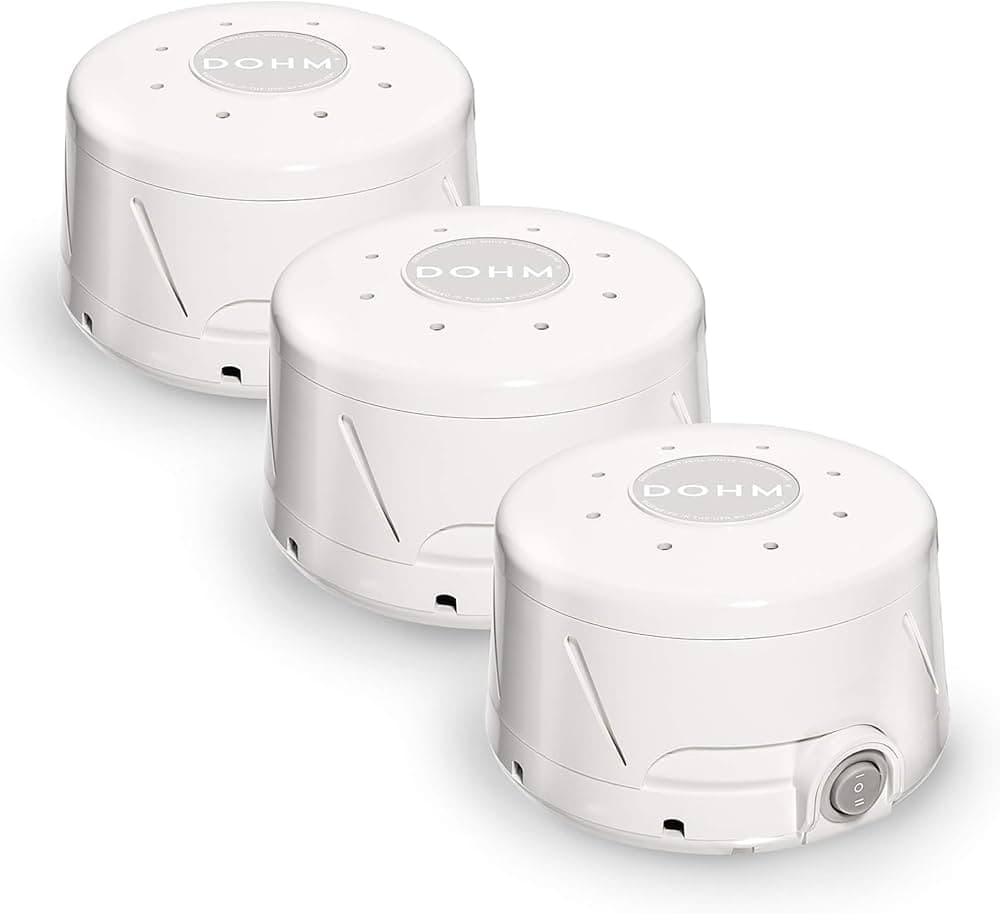
- One machine, between the cribs, at roughly the midpoint, not on either baby's headboard. It masks the other baby's stirring for both. The Hatch Rest 2nd Gen at around $70 or the Yogasleep Dohm at around $50 both do the job. Two machines are not needed until the twins are in separate rooms. Our decision page on white noise machines has the room layouts.
- Volume at a normal conversation level, measured from the crib, not the machine. Louder is not more effective, it just covers more of the crying you are supposed to be reading.
- Cribs on opposite walls if the room allows it. Even four feet of extra distance changes how much a stir carries.
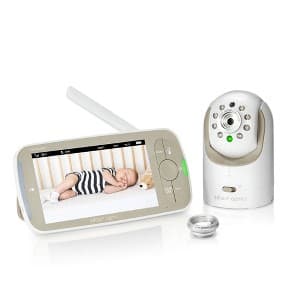
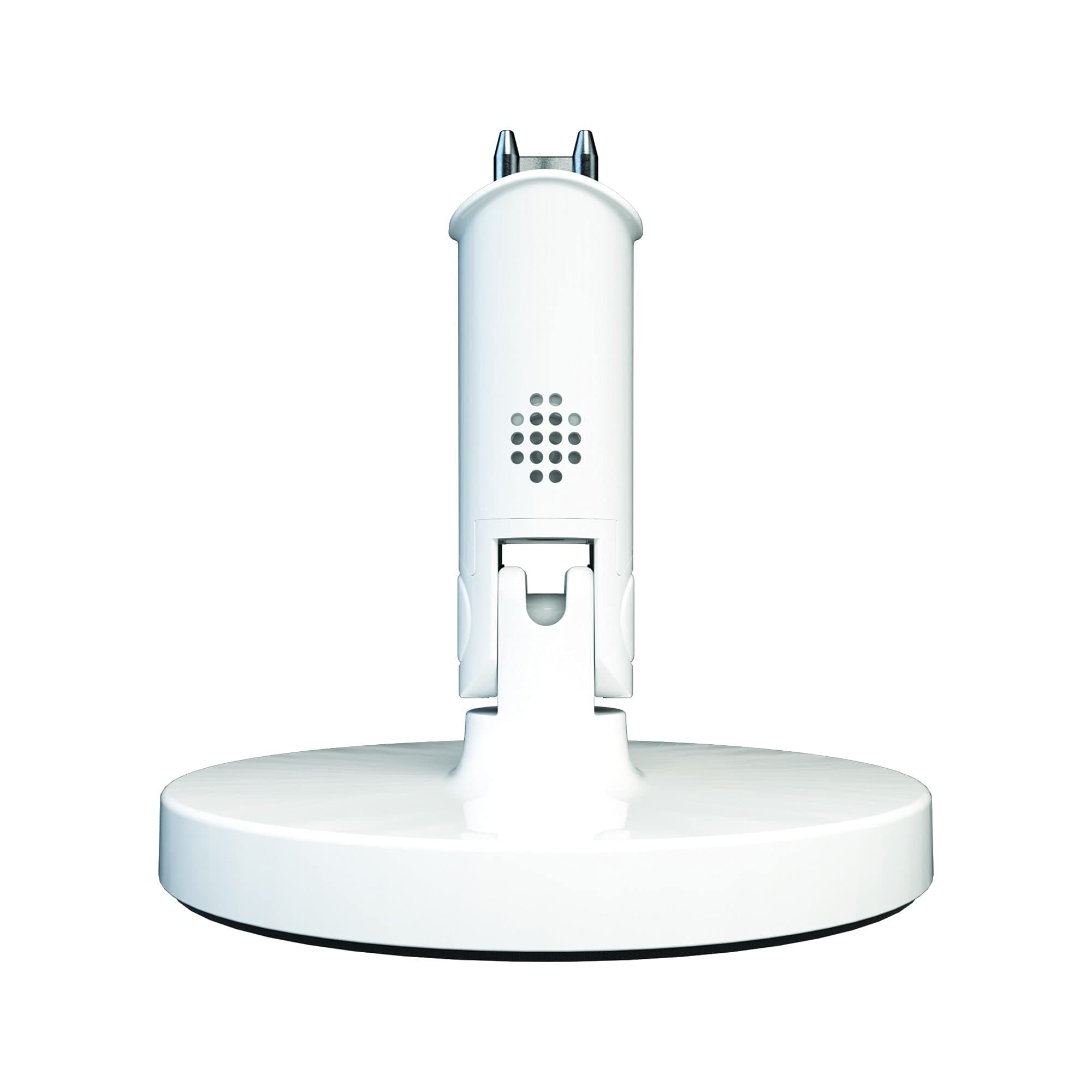
- A two-camera monitor with sound, so a check from the hallway tells you which baby it is before you open the door. The Infant Optics DXR-8 Pro at around $200 plus an add-on camera is the no-app option. The Nanit Pro on the multi-stand at around $330 each is the app option. One system, two cameras.
- Blackout, same sleep sacks, same routine order every night. The Halo SleepSack Cotton at around $25 each is the boring, correct choice. Consistency is what the babies are actually learning.
The night-feed complication#
Sleep training for twins under about 6 months usually keeps one or two night feeds, and the pediatrician decides which. The twin-specific move: if one baby is being fed, feed the other too, even if you have to wake them. A staggered night feed means two wakeups instead of one, and the whole point of the exercise is fewer wakeups. Our night feeds guide has the tandem setup.
What we'd do#
Wait until the cribs are in their own room, or until six months, whichever comes first, and confirm timing with the pediatrician using corrected age. Pick the method you can actually follow for seven nights in a row, not the one that sounds nicest. Start both babies the same night unless one is clearly a different project, in which case use a pack and play in another room for three to five nights. Put one white noise machine between the cribs, cribs on opposite walls, one monitor with two cameras. Sync the night feeds. Expect three or four rough nights and one week of slightly fragile progress. And write down what you did, because the next regression will want the notes.
Related reading#
The verdicts behind this guide
Mentioned in this guide
Featured picks


Some buy links earn us a small cut, at no extra cost to you. We still recommend skipping plenty of things, so it balances out.
FAQ
- Can you sleep train twins in the same room?
- Yes, and most twin parents we know do. Twins habituate to each other's noise faster than parents expect, usually within the first week. Put one white noise machine between the cribs, push the cribs to opposite walls, and use one monitor with two cameras so you know which baby is stirring before you open the door.
- Should you sleep train twins at the same time or one at a time?
- The same night is our default. The room will be loud for a few nights either way, and doing it once is one bad week. Stagger only when one twin is a solid sleeper and the other is the project. In that case, put the good sleeper in a pack and play in another room for three to five nights, then bring them back together.
- What if one twin wakes the other during sleep training?
- Treat the second baby the way the method says to treat the first, so there is one set of rules in the room. With timed checks, a check is a check for both and the clock does not restart. With gradual presence you are already in the room. With extinction, a temporary split room for the first nights is the usual workaround.
- How old should twins be before sleep training?
- Most approaches are described for babies around 4 to 6 months and up, and twins should use corrected age if they were early. Ask your pediatrician before starting. Remember the AAP recommends room-sharing for at least the first six months, so methods built on leaving the room mostly wait until the cribs move out of your bedroom.
Keep reading
Related guides
Survival
Should Twins Be in the Same Class or Separate? What the Research Says
Every twin parent faces this question by age 4 or 5. Schools often have a default policy. The research says the answer depends on your specific twins, not a blanket rule.
Sep 11, 2026
Survival
Twin Childcare: Daycare vs Nanny vs Nanny Share vs Au Pair
Childcare is the single largest twin expense. Here is what each option actually costs, when each makes sense, and the hidden costs most guides skip.
Sep 11, 2026
Survival
NICU Survival Guide for Twin Parents
About half of twins spend time in the NICU. It is scary, it is common, and it usually ends well. Here is what to expect, what to pack, and how to get through it.
Sep 11, 2026